
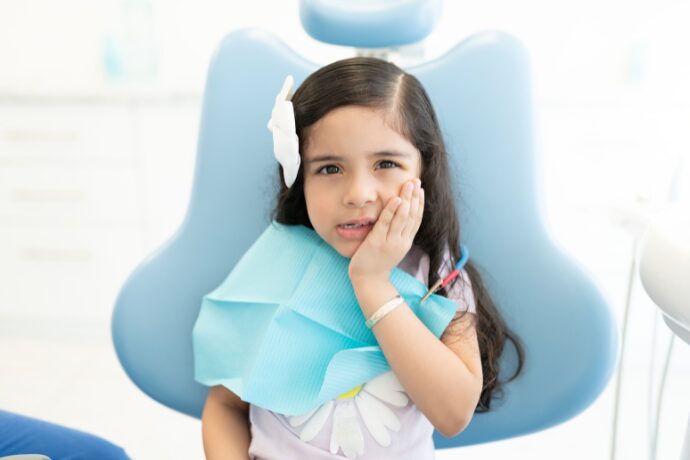
Is Your Child’s Tooth Sensitivity Worse in Winter? Here’s Why
November 13, 2025 1:52 pmAs the cold weather settles in, many parents begin to notice that their children are experiencing increased sensitivity in their teeth. You might have heard your child complain about sharp pains when drinking something hot or cold, or even when they bite into their favorite snacks. If this sounds familiar, you’re not alone. Winter can exacerbate tooth sensitivity, making it uncomfortable for children. But, what do you think causes this, and how can you address it?
In this blog, we’ll explore why winter can cause increased tooth sensitivity in children and how you can manage it. As always, if you’re concerned about your child’s oral health, it’s essential to consult a pediatric dentist in Austin for personalized advice and care.
Causes of Winter Tooth Sensitivity in Kids
Wondering why your little ones complain more about sensitive teeth during winter? Here are some of the most important ones:
Breathing in Cold Air
One of the most common causes of tooth sensitivity in winter is simply breathing in the cold air. When the weather drops, we tend to breathe through our mouths more, especially if we’re out in the cold. This exposes our teeth directly to the chilly air, causing them to react. If your child has exposed dentin or gum recession, they may experience sharp sensitivity in their teeth when cold air comes in contact with them.
Temperature Fluctuations
The drastic changes in temperature between the indoors and outdoors during the winter months can affect your child’s teeth. As you move between heated indoor spaces and the cold outdoors, your child’s teeth can expand and contract, causing them to become more sensitive. This can worsen existing cracks or create new ones, causing discomfort.
Hot and Cold Foods
Winter is the season for hot drinks like cocoa, tea, or coffee, and these can affect your child’s teeth, too. Drinking hot beverages can cause the teeth to expand, and when your child switches to something cold or eats a frozen treat, the sudden contrast can irritate sensitive areas of their teeth. This sharp temperature change may make it feel like their teeth are more sensitive than usual.
Exposed Dentin or Tooth Roots
Your child’s tooth enamel may be more vulnerable during the winter if they have weakened enamel or gum recession. Conditions like aggressive brushing, grinding teeth, or even gum disease can wear away the enamel and expose the more sensitive dentin underneath. If the gums have receded, the tooth root can also be exposed, and both the dentin and root are much more sensitive to temperature changes than the enamel.
Increased Sugar Intake
With the holidays in full swing, kids often consume more sugary treats than usual. Candy, cookies, and other sweet snacks can cause bacteria in the mouth to feed on the sugars, creating acids that can erode tooth enamel. This not only increases the risk of tooth decay but also contributes to increased tooth sensitivity. In addition to the sugar itself, holiday drinks like hot cocoa and sugary teas can aggravate sensitivity, especially when consumed in large quantities.
Sinus Pressure and Colds
Winter also brings an increase in colds, flu, and sinus infections, which can contribute to tooth sensitivity. When your child has a cold or sinus infection, the inflammation in their sinuses can cause pressure in the upper jaw and teeth, making them feel sore or sensitive. This is particularly common in children who suffer from sinus infections or allergies during the colder months.
Dry Mouth
The combination of cold air and indoor heating can lead to dry mouth, which can affect your child’s oral health. Saliva has an important role in flushing out food particles and neutralizing acids in the mouth. When your child experiences dry mouth, they are more prone to plaque buildup, cavities, and increased sensitivity. Additionally, a lack of saliva can make the teeth feel more sensitive to temperature changes.
Tips to Manage Winter Tooth Sensitivity in Kids
Fortunately, there are several ways you can help manage your child’s winter tooth sensitivity. Here are a few tips to ease their discomfort:
Breathe Through the Nose
– Encourage nose breathing outdoors to prevent cold air from hitting their teeth.
Use a Straw
– Minimize contact with hot or cold beverages by using a straw.
Stay Hydrated
– Ensure your child drinks enough water to combat dry mouth, which can worsen sensitivity.
Switch to a Soft-Bristled Toothbrush
– Use a soft-bristled toothbrush to prevent enamel and gum damage.
Try Desensitizing Toothpaste
– Use toothpaste designed for sensitive teeth, after consulting with your pediatric dentist in Austin.
Limit Sugar Intake
– Reduce your intake of sugary snacks and drinks, and encourage rinsing with water afterward to protect your enamel.
Schedule Regular Checkups
– Regular dental visits help identify and address underlying issues early, keeping your child’s teeth healthy and comfortable.
Need Help With Your Child’s Sensitive Teeth?
To sum it up, winter tooth sensitivity is a common concern for many children, but with the right steps, it can be managed. By following these simple tips, you can help reduce your child’s discomfort and ensure their teeth stay strong and healthy throughout the colder months. However, if your child’s sensitivity persists or you notice any other dental issues, it’s important to consult a trusted pediatric dentist in Austin. Early intervention can make a world of difference in preventing long-term dental problems. At Sherwood Pediatric Dentistry, we understand how challenging it can be to see your child suffer from tooth sensitivity. If you’re concerned about your child’s winter tooth sensitivity, don’t wait! Contact us today to schedule an appointment, and let us help your child smile with comfort and confidence.
Tags: austin pediatric dentist, pediatric dentist in austin, pediatric dentistry austin
Categorised in: Pediatric Dentistry