
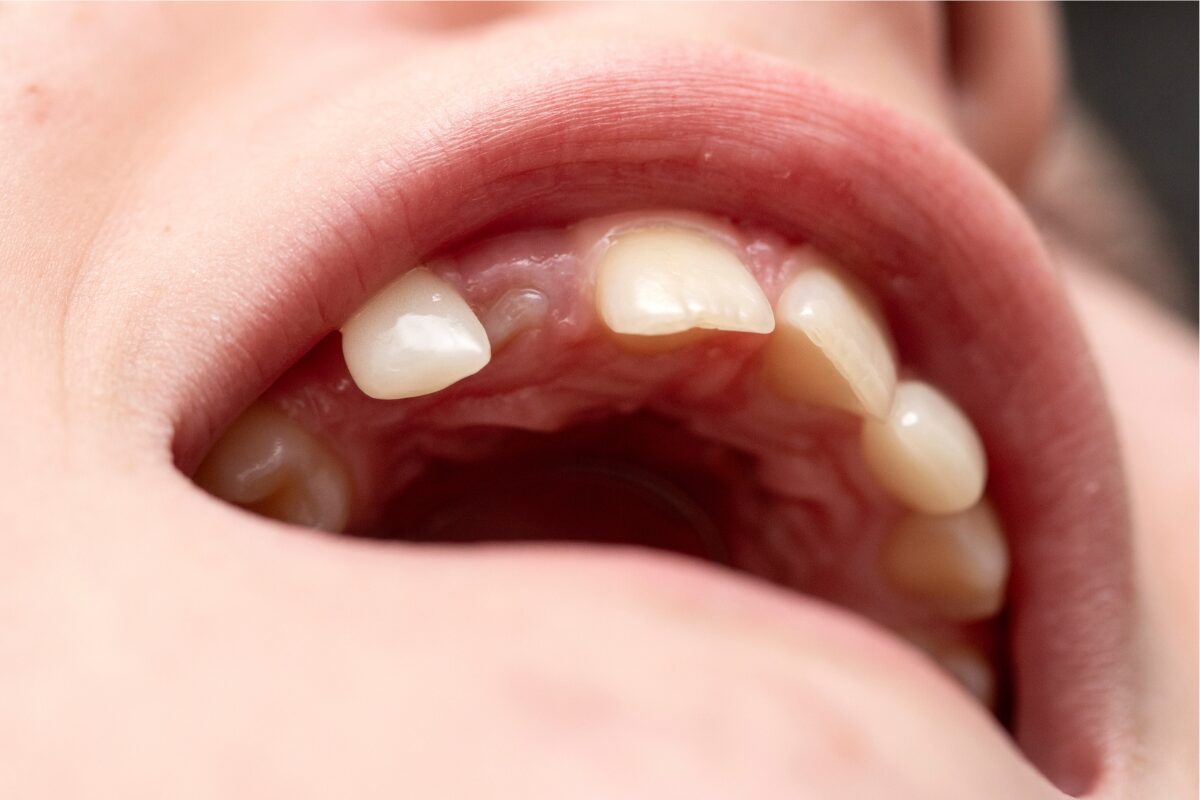
How Dentists Evaluate the Need for Pediatric Dental Crowns: Guide for Austin Residents
March 24, 2026 10:41 amMany parents feel concerned when they hear that their child might need more than a simple dental filling. It’s common to wonder whether the cavity is too severe, whether the tooth can still be saved, or if treatment will affect the kid’s long-term oral health. These questions often arise when a pediatric dental professional recommends a dental crown.
Although baby teeth are temporary, they serve very important functions during childhood. Primary teeth help kids chew comfortably, develop proper speech patterns, and maintain the space necessary for permanent teeth to grow in correctly. When these teeth become severely decayed or weakened, protecting them is often the best way to maintain healthy dental development. If you’re considering pediatric dental crowns in Austin for your child, consult a professional to see if it’s the right choice.
Dental practitioners often assess if a pediatric tooth cap is the best option for restoring and protecting a child’s damaged tooth. At Sherwood Pediatric Dentistry, treatment decisions are based on thorough examinations and the extent of tooth damage. The goal is to support long-term oral health as kids grow. Understanding how dental professionals determine when a capped tooth is needed can help parents feel more relaxed.
Why Dentists May Recommend Pediatric Dental Caps
Capped teeth are typically recommended when a tooth needs more support than a filling can provide. While small cavities can often be repaired with a standard dental filling, larger areas of decay can weaken the structure of the tooth.
In these situations, a tooth cap provides full coverage over the tooth, protecting it from further damage and restoring its strength.
Severe Tooth Decay
One of the most common reasons for pediatric dental caps is advanced tooth decay. When a cavity affects a large portion of the tooth, placing a filling alone may not provide enough support. A capped tooth covers the entire tooth surface, helping protect it from additional decay.
After Pulp Therapy
If tooth decay reaches the inner portion of the tooth, the dental practitioner may recommend pulp therapy to remove infected tissue and preserve the remaining structure of the tooth. After this procedure, a tooth cap is typically placed to seal and protect the treated tooth. This helps restore normal chewing function and prevents further damage.
Cracked or Broken Teeth
Children are naturally active, and dental injuries can occur during sports, playground activities, or accidents. When a tooth becomes cracked, fractured, or significantly damaged, a crown may be necessary to restore the tooth’s shape and strength.
Weak or Underdeveloped Teeth
Some kids in Austin develop teeth with enamel defects or structural weaknesses that make them more vulnerable to damage. In these situations, pediatric dental caps may be recommended to strengthen the tooth and protect it from further complications.
Preserving Baby Teeth Until They Naturally Fall Out
Maintaining healthy baby teeth is important for guiding permanent teeth into their correct positions. If a severely damaged baby tooth is removed too early, nearby teeth may shift into the space. Tooth caps help preserve the natural tooth structure and maintain proper spacing until the permanent tooth is ready to emerge.
How Dentists Evaluate the Need for a Crown?
Austin pediatric dentist follow a careful evaluation process before recommending a dental cap. This helps ensure that the treatment is necessary and beneficial for the child’s oral health.
Comprehensive Dental Examination
The first step is a detailed dental examination. During this evaluation, the professional carefully inspects the kid’s teeth and gums to identify any signs of decay, fractures, or structural damage.
Dental X-rays may also be taken to assess the extent of decay beneath the surface of the tooth. This examination allows the dental professional to determine whether the damage can be repaired with a filling or if a capped tooth would provide stronger protection.
Assessing Tooth Structure
If a large portion of the tooth has been weakened by decay, the dentist may determine that a filling will not provide enough durability. In these cases, a tooth cap is often recommended because it covers and protects the entire tooth. The goal is to restore the tooth while preserving as much of the natural structure as possible.
Evaluating Bite and Function
Dental professionals also consider how the tooth functions during chewing. Molars, for example, endure significant pressure during eating. If a damaged molar cannot withstand normal biting forces, a capped tooth may be the best solution to restore its strength.
Considering the Child’s Age
The kid’s age is another factor that dental practitioners consider. If the baby tooth will remain in place for several more years, preserving it with a crown can help maintain proper spacing and alignment for permanent teeth.
The Pediatric Dental Crown Procedure
Many parents in Austin are relieved to learn that the process of placing a pediatric dental cap is typically straightforward and comfortable for children.
Removing Decay and Preparing the Tooth
The dental practitioner first removes the damaged or decayed portion of the tooth. This ensures that all affected areas are cleaned before the restoration is placed. The tooth is then gently shaped so the capped tooth can fit securely over it.
Selecting the Appropriate Crown
Several types of tooth caps may be used in pediatric dental services. Stainless steel caps are commonly recommended for back teeth because they are durable and long-lasting. For front teeth or visible areas, tooth-colored ones may be used to maintain a natural appearance. The dental practitioner chooses the type of cap based on the tooth’s location and the child’s dental needs.
Placing the Crown
Once the tooth cap is selected, it is carefully positioned over the prepared tooth and secured using dental cement. The capped tooth fits snugly over the tooth, restoring its shape and strength. In many cases, the entire procedure can be completed in a single visit.
Aftercare and Recovery
After the crown is placed, children can usually return to normal activities shortly afterwards. The dental practitioner may recommend avoiding very sticky or hard foods for a short period to ensure the capped tooth remains secure. Regular brushing, flossing, and routine dental visits help maintain the health of the capped tooth.
Benefits of Pediatric Dental Crowns
Pediatric dental caps provide several advantages when restoring damaged or weakened teeth.
Strong protection for damaged teeth
Capped tooth covers the entire tooth surface, helping protect it from additional decay or fractures.
Restores normal chewing ability
Children can eat comfortably and maintain proper chewing function.
Prevents further dental complications
By stabilizing the tooth, a dental cap reduces the risk of infection or structural damage.
Maintains space for permanent teeth
Preserving baby teeth helps guide permanent teeth into proper alignment.
Durable and long-lasting
Pediatric capped teeth are designed to withstand everyday chewing and biting forces.
Supports healthy oral development
Maintaining strong primary teeth contributes to proper jaw and dental development.
Reduces the likelihood of early tooth loss
Saving the natural tooth often prevents complications that can occur after premature tooth extraction.
Who May Benefit From Pediatric Dental Caps?
Not every cavity requires a pediatric dental crowns austin, but certain dental conditions make it a recommended treatment option. Children with large cavities that affect a significant portion of the tooth may benefit from tooth caps because fillings may not provide enough support. Kids who undergo pulp therapy often require a capped tooth to protect the treated tooth and restore its function.
Kids who experience dental injuries, such as broken or fractured teeth. They may also benefit from crowns to restore strength and prevent further damage. In some cases, children with developmental enamel defects or weak tooth structure may need a tooth cap to reinforce their teeth and prevent recurring dental issues. A pediatric dental practitioner will always evaluate each situation carefully before recommending this treatment.
Common Questions Parents Ask
Are dental crowns safe for children?
Yes. Pediatric dental caps are widely used and considered safe and effective. They are specifically designed to restore and protect kids’ teeth while supporting normal oral development.
Will the procedure be painful for your child?
Pediatric dental professionals use gentle techniques and local anaesthesia when necessary to keep children comfortable during the procedure. Most kids tolerate the treatment very well.
How long do pediatric dental caps last?
Pediatric capped teeth are designed to remain in place until the baby tooth naturally falls out. With good oral hygiene and regular dental visits, they typically last for several years.
Can your child eat normally after receiving a crown?
Yes. After the capped tooth is placed, kids can return to their regular eating habits. Dental practitioners may recommend avoiding extremely sticky foods initially.
Help Your Child with Our Pediatric Dental Crowns
Protecting kids’ teeth during their early years is essential for maintaining healthy oral development. When a tooth becomes severely decayed, fractured, or weakened, restorative treatments can help preserve the tooth and prevent more serious problems.
Families considering pediatric dental crowns in Austin often find that tooth caps provide an effective solution for restoring damaged teeth. By protecting the tooth and maintaining proper spacing, they support a child’s oral health while their smile continues to grow.
At Sherwood Pediatric Dentistry, treatment recommendations are made with careful attention to each kid’s comfort, dental condition, and long-term development. With proper care and regular dental visits, pediatric dental caps can help children maintain strong, healthy smiles throughout their early years. So book an appointment with us today.
Categorised in: Dental Crowns