
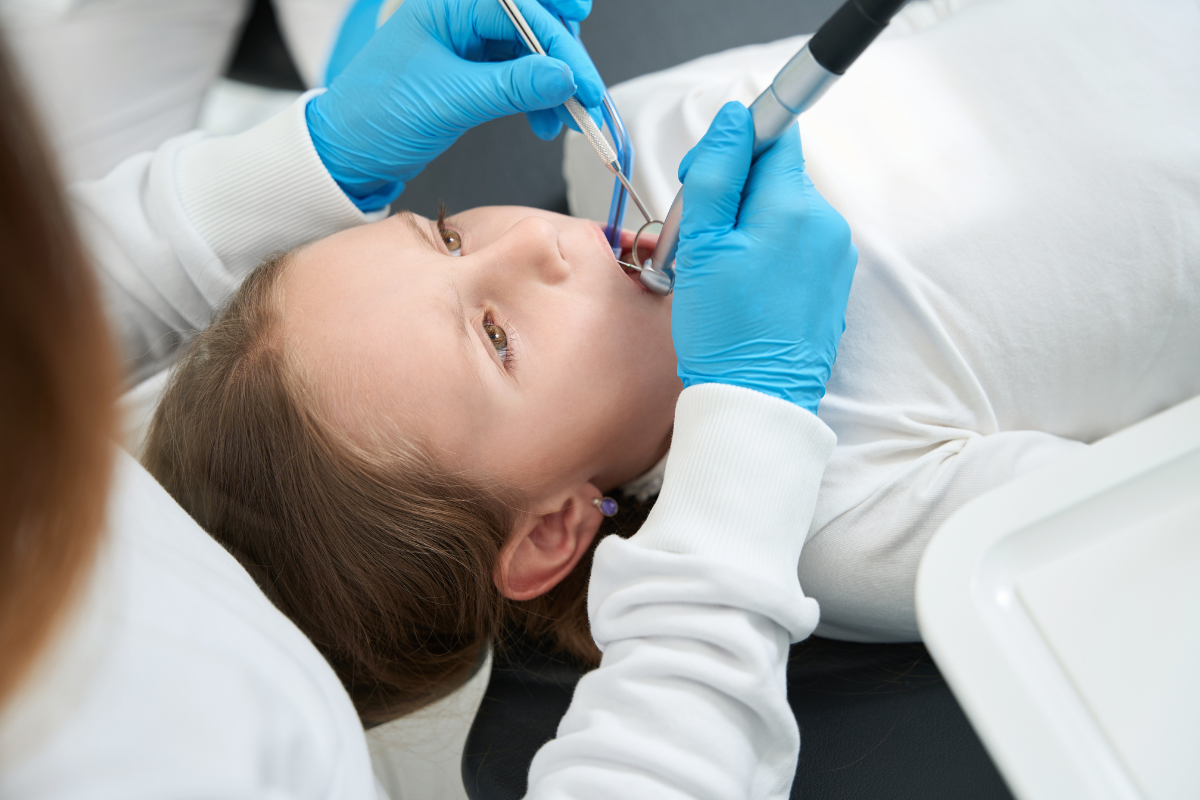
When Does a Child’s Mouth Injury Need a Dentist and When Is It a Medical Emergency?
October 15, 2026 8:50 amWhen a child falls on the playground, gets hit in the mouth during sports, or bites their lip hard enough to cause bleeding, it can be difficult to know what to do first. Some injuries need prompt attention from a pediatric dentist, while others require emergency medical care. And sometimes, a child needs both.
The most important thing is to look beyond the visible injury. A chipped tooth may need urgent dental treatment even if your child feels fine, while heavy bleeding or difficulty breathing requires immediate medical attention. Knowing the warning signs can help you respond calmly and get your child the right care.
For Austin families, understanding when to call a same-day emergency dentist for kids in Austin and when to head to an emergency department can make an overwhelming situation easier to navigate. Sherwood Pediatric Dentistry provides emergency dental care for children and encourages parents to call the office for guidance when an urgent dental problem occurs.
When Is a Child’s Mouth Injury a Medical Emergency?
Some mouth injuries can affect more than the teeth and gums. If your child has signs of a serious head, face, or jaw injury, medical evaluation should come before routine dental treatment.
Call 911 or seek emergency medical care immediately if your child has:
- Difficulty breathing or swallowing.
- Severe facial trauma or a suspected broken jaw.
- Heavy bleeding that does not stop with firm, direct pressure.
- Loss of consciousness, a seizure, or signs of a serious head injury.
- Rapidly increasing swelling that affects breathing or swallowing.
- Significant injuries involving the face, neck, or other parts of the body.
Do not delay emergency medical care to contact a dental office first. If your child is unconscious, having trouble breathing, or showing signs of a life-threatening injury, call 911.
A mouth injury can also occur alongside a concussion or other head injury. Watch for symptoms such as repeated vomiting, confusion, unusual drowsiness, or a worsening headache after a fall or impact. Seek urgent medical assessment if these symptoms occur.
Once your child is medically stable, a dentist may need to evaluate any damage to the teeth, gums, or surrounding structures.
When Should You Take Your Child to an Emergency Dentist?
If your child is stable and the main concern involves a tooth or localized oral injury, a pediatric dentist may be the appropriate first contact. Dental injuries can affect baby teeth as well as permanent teeth, and some damage is not obvious from appearance alone.
Contact a pediatric dentist promptly if your child has any of the following.
A Knocked-Out Permanent Tooth
A permanent tooth that has been completely knocked out is a time-sensitive dental emergency. Quick action may improve the chance of saving it.
If this happens:
- Find the tooth and pick it up by the crown, which is the visible part normally above the gumline.
- Avoid touching or scrubbing the root.
- If the tooth is dirty, gently rinse it with milk or saline. Do not scrape it or use household cleaners.
- Keep the tooth moist in milk or a tooth-preservation solution if it cannot be placed back in its socket.
- Contact a dentist immediately and follow their instructions while arranging urgent care.
If you are unsure how to handle the tooth, do not delay seeking professional help.
Never attempt to put a knocked-out baby tooth back into the socket. Reimplanting a baby tooth can damage the developing permanent tooth underneath. A knocked-out baby tooth still deserves prompt dental advice to check for associated injury.
A Chipped, Cracked, or Broken Tooth
A tooth may chip when a child falls, collides with another player, or bites down on something hard. Even a small-looking chip can involve deeper tooth structures.
Contact a dentist promptly if your child has a broken tooth, particularly if there is pain, sensitivity, bleeding, or a visible pink or red area inside the tooth. Save any broken fragments in a clean container if you can, and bring them to the appointment.
Avoid giving your child hard foods or asking them to bite down to test the tooth. If the injury also involves significant facial trauma, uncontrolled bleeding, or a possible jaw fracture, seek emergency medical care.
A Loose or Displaced Tooth After an Injury
A tooth that becomes loose, shifts out of position, or appears longer or shorter after an impact needs prompt assessment. This is especially important for permanent teeth.
Do not repeatedly wiggle the tooth or try to push it back into position. Contact a dentist for instructions, and seek medical care if the injury involves the jaw, face, or head.
Baby teeth can also be injured when a child falls. Although baby teeth are eventually replaced, trauma can affect the surrounding tissues and potentially the developing permanent tooth.
A Toothache With Swelling or Fever
Tooth pain accompanied by facial or gum swelling, fever, pus, or a child who seems generally unwell may indicate an infection that needs urgent evaluation.
Call a dentist promptly for advice. If swelling is spreading quickly or your child has difficulty breathing or swallowing, go to the emergency department or call 911 rather than waiting for a dental appointment.
Do not try to drain a swollen area at home or place aspirin directly on the tooth or gums.
Cuts to the Lips, Tongue, Cheeks, or Gums
Small cuts inside the mouth may heal without extensive treatment, but deeper injuries sometimes need medical or dental attention.
If the injury is minor and your child is otherwise well, gently rinse the area with clean water and apply gentle, direct pressure with clean gauze to control bleeding. A cold compress held against the outside of the lip or cheek may help with swelling.
Seek medical care for deep or gaping wounds, injuries that cross the lip border, embedded objects, or bleeding that continues despite firm pressure. A dentist may also need to examine the teeth and gums if the injury occurred during a fall or direct impact.
Dentist or Emergency Room? A Quick Guide for Parents
The right destination depends on the severity of the injury and your child’s overall condition.
| What happened? | What to do |
| Knocked-out permanent tooth | Seek immediate dental care; keep the tooth moist while arranging care |
| Chipped or broken tooth | Contact a dentist promptly; seek medical care too if serious facial trauma occurred |
| Loose or displaced tooth after an impact | Contact a dentist urgently for instructions |
| Toothache with localized swelling | Seek urgent dental evaluation |
| Small lip or cheek injury with bleeding that stops | Provide basic first aid and monitor; seek care if the wound is deep or symptoms worsen |
| Heavy, uncontrolled bleeding | Seek emergency medical care |
| Suspected broken jaw or serious facial injury | Go to an emergency department |
| Difficulty breathing or swallowing | Call 911 immediately |
This guide is not a substitute for an examination. If you are unsure about the severity of your child’s injury, contact a healthcare professional for guidance.
What Should You Do While Waiting for Dental Care?
After an injury, a few simple steps can help protect your child while you arrange professional assessment.
Keep Your Child Calm and Check for Other Injuries
Help your child sit somewhere safe and remain as calm as possible. Check for head injuries, breathing difficulties, and significant bleeding before focusing on the teeth.
If a serious injury is possible, do not move your child unnecessarily. Call emergency services when indicated.
Control Minor Bleeding
For a small cut inside the mouth, use clean gauze and gentle, steady pressure. Avoid repeatedly removing the gauze to check whether bleeding has stopped, as this can disturb clot formation.
Persistent or heavy bleeding requires medical attention.
Use a Cold Compress for Swelling
A cold compress held against the outside of the cheek or lip may help reduce swelling after a minor injury. Wrap ice or a cold pack in a cloth rather than placing ice directly against the skin.
Do not use a cold compress as a reason to delay evaluation for a displaced, broken, or knocked-out tooth.
Avoid Unsupervised Medication or Home Remedies
Do not apply aspirin, alcohol, peroxide, or other irritating substances directly to an injured tooth or gum. Ask a healthcare professional or pharmacist about age-appropriate pain relief if needed, and follow the product directions.
Avoid forcing food or drink if your child has a serious injury, altered alertness, or difficulty swallowing.
Call Before Traveling to the Dental Office
When the situation is primarily dental, call the practice and describe what happened, which tooth or area is affected, when the injury occurred, and whether your child has pain, swelling, or bleeding.
This information helps the team advise you on the next step and discuss appointment availability. If you suspect a medical emergency, seek emergency medical care rather than waiting for a callback.
What Happens During a Pediatric Emergency Dental Visit?
Parents often worry about how their child will manage an urgent dental appointment, especially if the child is frightened or in pain.
The first step is generally an assessment of the injury and symptoms. The dentist may ask how the accident occurred, when it happened, whether the tooth moved or broke, and whether your child experienced any other symptoms.
Depending on the injury, the examination may include:
- Checking the affected tooth, gums, lips, and surrounding tissues.
- Assessing tooth movement, visible damage, and tenderness.
- Taking dental X-rays when clinically appropriate.
- Explaining the findings and discussing treatment options.
- Providing care instructions and arranging follow-up when needed.
Treatment depends on the type and severity of the injury. A chipped tooth may need protection or repair, while a displaced tooth may require more involved treatment. Some injuries need follow-up examinations because changes can appear after the initial accident.
Although an office may offer same-day emergency appointments, the exact treatment possible during that visit depends on the injury, clinical findings, and appointment availability. Calling ahead helps the team determine the most appropriate next step.
Getting Emergency Dental Care for Kids in Austin
Dental injuries can happen at home, on the playground, during school activities, or at a sports practice. When your child has a tooth injury, prompt advice can help you understand whether the problem needs urgent dental treatment or emergency medical attention.
At Sherwood Pediatric Dentistry, we provide pediatric dental care in Austin, TX, including emergency dentistry for children. Our team encourages parents to call when a child experiences a painful tooth, a broken or displaced tooth, a knocked-out tooth, or another urgent dental concern.
If you are searching for a same-day emergency dentist for kids in Austin, call 512-454-6936 to describe your child’s symptoms and discuss appointment availability. Our office is located at 6500 MoPac Expy, Suite 2206, Austin, TX 78731.
If your child has signs of a serious medical emergency, call 911 or go to an emergency department first. Dental care can be coordinated once the immediate medical concern has been addressed.
Frequently Asked Questions
Should I take my child to a dentist or the ER for a mouth injury?
If your child has a tooth injury and is otherwise stable, contact a pediatric dentist promptly. Serious facial trauma, suspected jaw fractures, uncontrolled bleeding, difficulty breathing or swallowing, or signs of a significant head injury require emergency medical care.
Is a chipped baby tooth an emergency?
A chipped baby tooth should be assessed by a dentist, particularly if there is pain, bleeding, sensitivity, or damage near the gumline. A dentist can determine whether treatment is needed and check for other injuries.
What should I do if my child’s permanent tooth gets knocked out?
Seek immediate dental care. Handle the tooth by its crown, avoid touching the root, and keep it moist in milk or a tooth-preservation solution if it cannot be placed back into the socket. Do not attempt to reimplant a baby tooth.
Can I wait until tomorrow if my child says the injured tooth does not hurt?
Not always. Some dental injuries do not cause immediate pain. A loose, displaced, broken, or knocked-out tooth should receive prompt professional guidance even if your child feels fine.
Does Sherwood Pediatric Dentistry offer same-day emergency appointments?
Sherwood Pediatric Dentistry provides emergency dental care for children and asks parents to call the office for initial guidance and appointment arrangements. Same-day availability depends on the situation and the schedule, so call 512-454-6936 to discuss your child’s needs.
Get the Right Care for Your Child’s Mouth Injury
When a child injures their mouth, the first step is to determine whether they need emergency medical care or prompt dental treatment. Serious symptoms such as difficulty breathing, uncontrolled bleeding, or major facial trauma should never wait. For tooth injuries and other urgent dental concerns, a pediatric dentist can help assess the damage and explain the next steps.
If your child has experienced a dental injury in Austin, contact Sherwood Pediatric Dentistry at 512-454-6936 to discuss the situation and available emergency appointment options. Our team is here to help you understand your child’s dental needs and take the next appropriate step.
Categorised in: Emergency Dentistry