
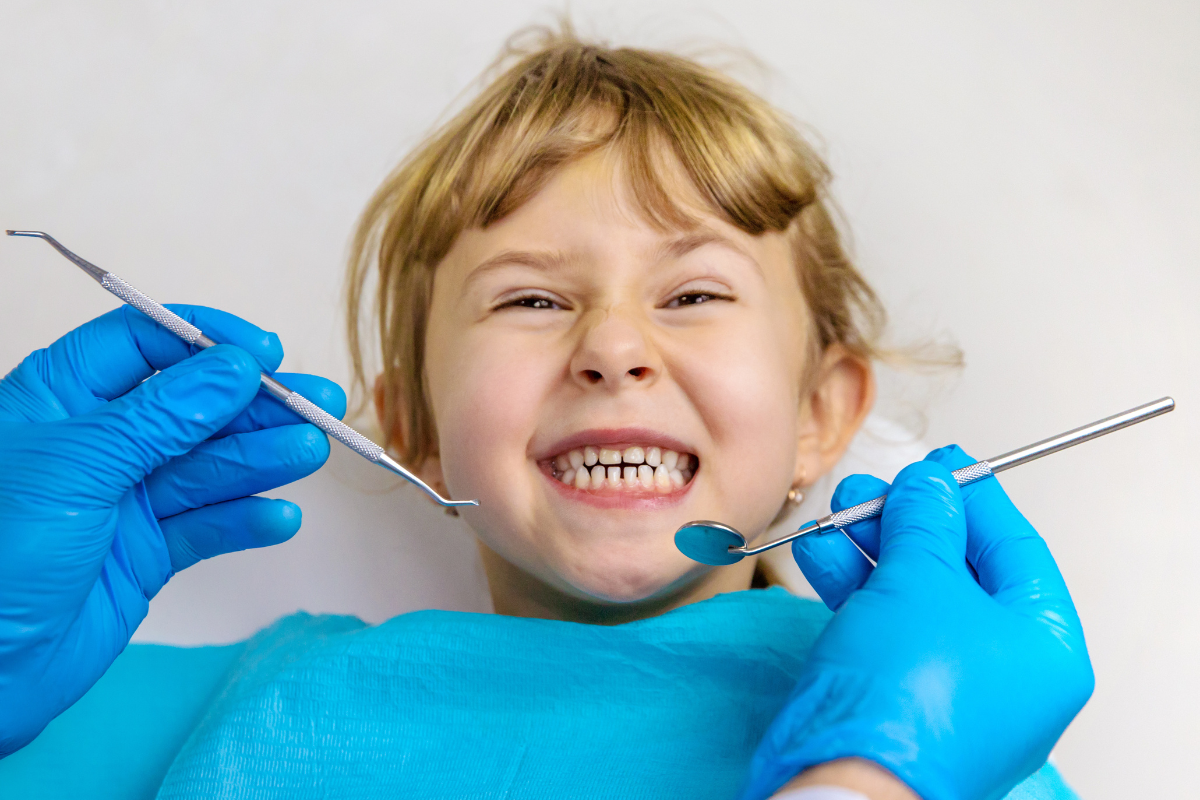
Why Can a Child Get Cavities Even When They Brush Every Day?
October 8, 2026 7:01 pmIt can be frustrating for parents to hear that their child has a cavity when brushing has been part of the daily routine. You help them brush before bed, remind them to clean their teeth in the morning, and try to make healthy choices. So why does tooth decay still happen?
The answer is that brushing is essential, but it is only one part of cavity prevention. The type of toothpaste a child uses, how thoroughly they brush, whether they floss, how often they snack, and the natural shape of their teeth can all affect their risk of developing cavities. Some children may also need additional preventive care based on their dental history and individual needs.
Understanding these factors can help parents make practical changes without feeling that their efforts at home have failed. At Sherwood Pediatric Dentistry, we help families understand what may be contributing to tooth decay and how to build a preventive routine that works for their child.
Why Do Children Get Cavities Even When They Brush Daily?
Cavities develop when bacteria in dental plaque use sugars and other fermentable carbohydrates to produce acids. These acids gradually remove minerals from tooth enamel. When the process continues without enough opportunity for the teeth to recover, decay can develop.
Brushing twice daily with fluoride toothpaste helps remove plaque and strengthen enamel, but it cannot eliminate every risk. Children may miss certain areas, consume sugary foods frequently, or have teeth that are more difficult to clean.
A cavity does not automatically mean a child has poor hygiene. Instead, it can be a sign that one or more parts of their oral health routine need attention.
7 Reasons Your Child May Still Be Getting Cavities
1. They May Not Be Brushing Thoroughly Enough
Many children enjoy brushing their teeth, but that does not necessarily mean they are cleaning every surface effectively.
Young children are still developing the coordination needed to brush independently. They may concentrate on their front teeth while missing the back molars, the gumline, or the inner surfaces of their teeth.
Even older children can rush through brushing, especially when getting ready for school or going to bed.
What parents can do:
- Encourage brushing twice a day for two minutes.
- Use a soft-bristled toothbrush with a head that fits comfortably in your child’s mouth.
- Help your child reach the back teeth and other difficult areas.
- Supervise brushing until your child can clean their teeth consistently and thoroughly.
- Use a timer or a favorite two-minute song to make brushing easier to complete.
Rather than checking only whether your child brushed, pay attention to how well they cleaned each area.
2. They May Not Be Using Fluoride Toothpaste
Fluoride helps strengthen tooth enamel and supports the repair of early mineral loss caused by acids. If a child brushes with a fluoride-free toothpaste, they may miss an important part of routine cavity prevention.
The amount of toothpaste matters, too. Children should use an age-appropriate amount and be encouraged to spit it out rather than swallow it.
General guidance from the American Dental Association recommends:
- Under age 3: A smear of fluoride toothpaste about the size of a grain of rice.
- Ages 3–6: A pea-sized amount of fluoride toothpaste.
For children younger than 2, parents should consult their dentist or physician about fluoride toothpaste use. Follow your child’s dentist’s guidance if their individual needs require a different approach.
You can read more from the CDC’s oral health guidance for children.
3. Frequent Snacking Gives Teeth Repeated Acid Exposure
The number of times a child eats or drinks sugary foods throughout the day can matter, not just the total amount of sugar consumed.
When children frequently snack on crackers, cookies, candy, fruit snacks, or other carbohydrate-containing foods, plaque bacteria can produce acids repeatedly. Sweetened drinks and frequent sipping can create a similar challenge.
Some foods that parents consider healthy, such as dried fruit or certain snack bars, can also contain sugars that contribute to tooth decay.
Try these everyday adjustments:
- Offer water between meals instead of sugary beverages.
- Keep snacks to planned times when possible.
- Choose a variety of tooth-friendly foods, such as vegetables, cheese, and other nutritious options.
- Avoid allowing children to sip sweetened drinks over long periods.
- Make water the usual drink between meals and after snacks.
Children do not need to avoid every treat. The goal is to reduce frequent sugar exposure and establish eating habits that support oral health.
4. They May Not Be Flossing Between Their Teeth
A toothbrush cannot effectively clean every tight space between teeth. When two teeth touch, plaque and food debris can remain in the area even when the visible surfaces look clean.
Over time, these areas can become vulnerable to decay. Parents may be surprised to learn that a child has a cavity between two teeth despite brushing regularly.
Flossing or using an appropriate interdental cleaner helps remove plaque from places a toothbrush cannot reach.
Start cleaning between your child’s teeth when adjacent teeth begin touching. Younger children generally need an adult’s help, and the technique may need to change as their teeth and coordination develop.
If your child has difficulty flossing, ask the dental team to demonstrate a method or tool that works for their age and tooth spacing.
5. Newly Erupted Molars Can Be Difficult to Clean
The back teeth, especially molars, have grooves and pits on their chewing surfaces. These areas can trap food and plaque, making them more difficult to clean thoroughly.
When permanent molars first erupt, they may be especially challenging for children to reach with a toothbrush. A child may brush consistently but still miss plaque in these grooves.
Dental sealants may be recommended to help protect the chewing surfaces of eligible molars. A sealant is a thin protective coating placed over the grooves to help keep food and bacteria from settling there.
Sealants do not replace brushing, flossing, or regular dental visits. They provide another layer of protection when appropriate.
Learn more about dental sealants at Sherwood Pediatric Dentistry.
6. Your Child May Have a Higher Risk of Tooth Decay
Children do not all have the same cavity risk. Previous cavities, certain medical conditions or medications, reduced saliva, dietary habits, and difficulties with daily oral care can affect the likelihood of developing decay.
Saliva plays an important role in oral health. It helps clear food particles, neutralize acids, and support the natural repair of enamel. When saliva production is reduced, teeth may receive less of this protection.
A history of cavities can also be a useful warning sign. If a child has developed decay recently, their dentist may recommend a more individualized prevention plan.
This does not mean cavities are inevitable. It means that some children benefit from additional attention to the factors that affect their oral health.
7. Cavities Can Develop Before Your Child Notices a Problem
Tooth decay does not always cause pain in its early stages. A child may continue eating, drinking, and playing normally while a cavity develops.
Parents may not see an obvious hole or dark spot, either. Some early changes are subtle and require a dental examination to identify. Dental X-rays may also be recommended when clinically appropriate to evaluate areas that cannot be fully assessed during a visual examination.
This is one reason routine dental checkups remain important even when a child brushes daily and has no complaints.
If your child develops tooth pain, sensitivity, visible changes, or discomfort when chewing, arrange a dental evaluation rather than waiting for the problem to become more noticeable.
How Can Parents Help Prevent Cavities at Home?
The most effective approach combines consistent home care with preventive dental visits. Small adjustments can make the routine more effective without making oral hygiene stressful for your child.
Establish a Consistent Brushing Routine
Have your child brush in the morning and before bed using fluoride toothpaste. Supervise brushing when needed, especially for younger children who may not yet have the skills to clean every surface.
Pay attention to the back teeth, gumline, and areas where teeth touch.
Make Flossing Part of the Daily Routine
Clean between touching teeth every day. Depending on your child’s age and dexterity, traditional floss or an appropriate flossing aid may make the process easier.
If you are unsure when to start or how to help, ask your child’s dental team for a demonstration.
Review Snacks and Drinks
Look at how often your child snacks, not just what they eat. Frequent exposure to sugary foods and drinks can increase cavity risk, even when a child brushes regularly.
Offer water between meals and limit frequent sipping of sweetened beverages. Choose balanced meals and snacks that support your child’s overall health.
Keep Up With Preventive Dental Visits
Professional cleanings and examinations help the dental team monitor your child’s teeth, identify developing concerns, and review home-care techniques.
Depending on your child’s individual needs, the dentist may recommend fluoride treatments, sealants, or a more tailored follow-up schedule.
Sherwood Pediatric Dentistry provides preventive services, including dental cleanings and exams, fluoride treatments, and dental sealants. Recommendations are based on your child’s oral health and specific risk factors.
You can learn more about our preventive dentistry services.
When Should You Take Your Child to a Pediatric Dentist?
Schedule an evaluation if your child has recurring cavities, tooth sensitivity, pain while chewing, visible spots or holes, or difficulty eating comfortably. Do not wait for symptoms if your child’s routine examination is due.
Seek prompt dental advice for significant or persistent tooth pain. Facial swelling, fever associated with dental symptoms, or difficulty swallowing or breathing can indicate a more serious problem; difficulty breathing or swallowing requires emergency medical care.
For children who develop cavities despite consistent brushing, a pediatric dentist can review their oral hygiene routine, dietary patterns, dental history, and other possible risk factors. This helps determine which preventive steps or treatments may be appropriate.
How Sherwood Pediatric Dentistry Helps Austin Families Protect Young Smiles
Finding cavities can be discouraging, particularly when your family has worked hard to maintain good oral hygiene. The next step is not to blame your child or abandon the routine. It is to understand why decay may be occurring and identify ways to improve protection.
At Sherwood Pediatric Dentistry, we provide pediatric dental care in Austin, TX, with an emphasis on prevention, education, and care tailored to each child’s needs. Our team evaluates developing teeth, checks for signs of decay, and helps parents understand options such as professional cleanings, fluoride treatments, and dental sealants when appropriate.
For families seeking pediatric dentistry in Austin, regular dental visits can provide an opportunity to discuss recurring cavities, review brushing and flossing techniques, and create a plan based on a child’s individual needs.
The goal is to help children maintain healthy teeth while building habits that can support their oral health as they grow.
Frequently Asked Questions
Can a child get cavities even if they brush twice a day?
Yes. Brushing twice daily is important, but cavities can still develop because of frequent sugar exposure, missed areas, inadequate fluoride protection, difficulty cleaning between teeth, or individual risk factors. Flossing and routine dental visits are also important.
Does brushing harder help prevent cavities?
No. Brushing harder is not a substitute for good technique. A soft-bristled toothbrush, fluoride toothpaste, and thorough brushing of all tooth surfaces are more useful than aggressive scrubbing, which can irritate the gums.
Can children get cavities between their teeth?
Yes. Cavities can develop between teeth where a toothbrush cannot clean effectively. Daily flossing or another suitable interdental cleaner helps remove plaque from these areas.
Can fluoride treatments help children who get frequent cavities?
Professional fluoride treatments may help strengthen enamel and reduce cavity risk for children who need additional protection. A pediatric dentist can assess your child’s risk and determine whether fluoride treatment is appropriate.
How often should my child visit a pediatric dentist?
Many children benefit from dental checkups about every six months, but the ideal interval depends on individual oral health needs and cavity risk. Your child’s dentist can recommend an appropriate schedule.
Help Your Child Build a Healthier Smile
Daily brushing is a great start, but protecting children’s teeth often requires a combination of fluoride toothpaste, effective flossing, thoughtful snack and drink choices, and regular professional care. If your child continues to develop cavities despite brushing every day, an individualized evaluation can help identify what may be missing from their prevention routine.
Contact Sherwood Pediatric Dentistry to discuss your child’s oral health and schedule a visit. Our team in Austin, TX, is here to help your family understand preventive options and work toward healthier smiles.
Visit Sherwood Pediatric Dentistry or contact our office to get started.
Categorised in: Pediatric Dentistry