
What Does a Pediatric Dentist Evaluate Before Recommending Laser Treatment?
October 22, 2026 2:50 pmWhen your child needs dental treatment, it is natural to want to understand every available option before making a decision. You may have heard about dental lasers and wondered whether they could make your child’s appointment easier or offer an alternative to traditional dental instruments. However, choosing a treatment involves more than deciding which technology sounds most comfortable.
A pediatric dentist first needs to understand what is happening inside your child’s mouth, how much treatment is necessary, and which approach is appropriate for the specific dental concern. Age, tooth development, the location of a cavity, gum tissue, and your child’s ability to cooperate during an appointment can all influence the recommendation.
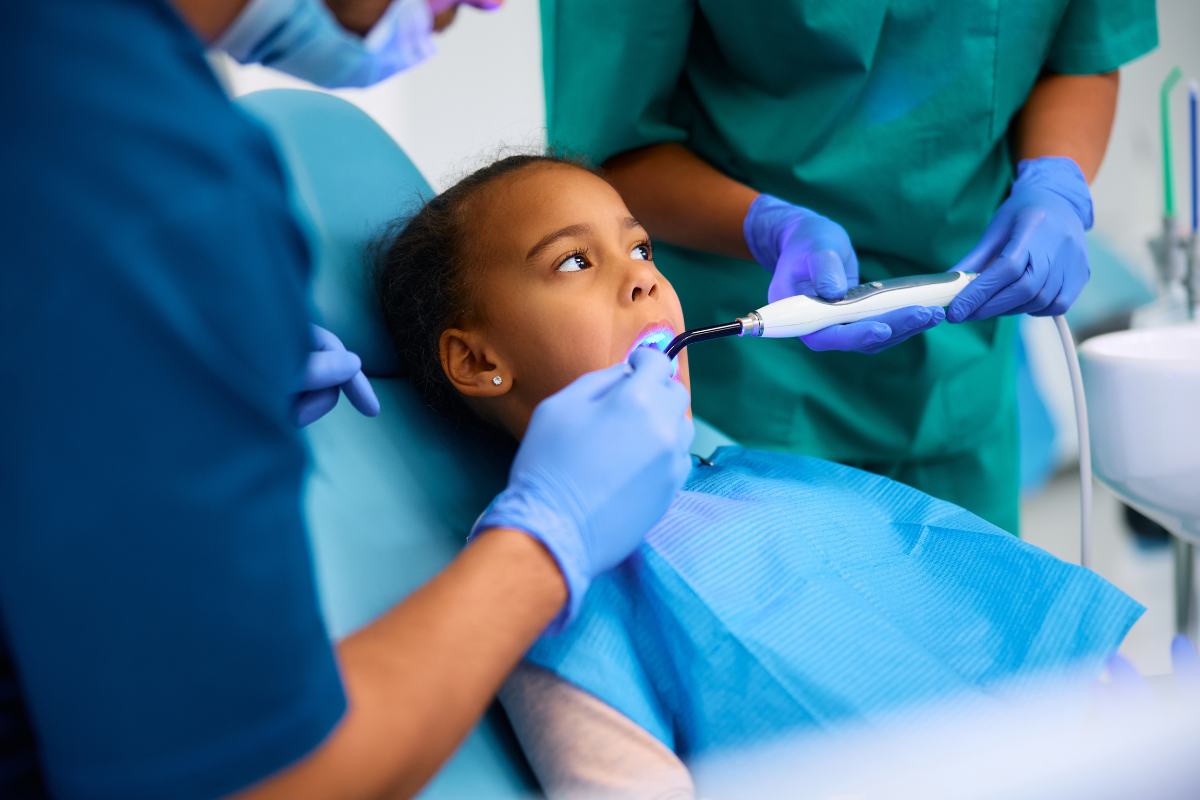
For families exploring pediatric laser dentistry in Austin, understanding this evaluation process can help make the next dental visit feel more predictable. At Sherwood Pediatric Dentistry, we use Solea laser technology for selected pediatric dental procedures, including certain fillings and soft-tissue treatments. The first step, however, is determining whether laser treatment is suitable for your child’s individual needs.
Why Does a Pediatric Dentist Evaluate a Child Before Laser Treatment?
Dental lasers are designed for specific procedures involving hard or soft tissue, depending on the system being used. They can offer an alternative to certain traditional dental instruments, but they are not the right choice for every condition.
A pediatric dentist evaluates the problem before recommending a treatment method. This helps ensure that the plan addresses the underlying dental concern rather than focusing on the technology alone.
For example, two children may both have a cavity, but the appropriate treatment may differ because one cavity is small and accessible while the other is extensive or close to the tooth’s pulp. The dentist must consider these differences before deciding how to proceed.
An evaluation also gives parents a chance to discuss their child’s dental history, past experiences, questions, and concerns. These details can help the dental team develop a treatment plan that balances clinical needs with the child’s comfort.
1. The Type of Dental Problem Your Child Has
The first consideration is the condition that needs treatment. A dentist must identify the problem before deciding whether a laser is appropriate.
Cavities and tooth decay
Cavities are one reason parents may ask about laser dentistry. Certain dental lasers can help remove decayed tooth structure as part of cavity treatment. Whether this approach is appropriate depends on the size, depth, and location of the decay, as well as the tooth’s condition.
The dentist may consider:
- How much tooth structure has been affected
- Whether the decay is accessible for the planned treatment
- Whether the tooth has signs of more extensive damage
- Whether additional restorative treatment may be needed
- Which method can appropriately treat the affected tooth
A laser may be suitable for some cavities, but it should not be assumed to work for every type of tooth decay. The dentist will explain whether laser treatment is a reasonable option or whether a conventional approach is more appropriate.
Gum and other soft-tissue concerns
Dental lasers can also be used for selected procedures involving the gums and other soft tissues in the mouth. These procedures differ from cavity treatment because they involve tissue rather than removing decay from a tooth.
The dentist will examine the affected area, determine what needs to be treated, and consider whether a laser is appropriate for that specific procedure.
The recommendation depends on the clinical problem, not simply on whether laser technology is available.
2. The Location and Extent of the Problem
The location of a dental concern can affect how it is treated. A cavity on an accessible tooth surface may present different treatment considerations from decay between teeth or an area that is difficult to reach.
During an examination, the dentist considers where the problem is located and how extensively it has affected the tooth or surrounding tissue.
For a cavity, the evaluation may include determining whether the decay is limited to the outer tooth structure or has progressed deeper. If the dentist suspects more extensive damage, additional diagnostic information may be needed before a treatment recommendation is made.
Dental X-rays may be appropriate when the dentist needs to assess areas that cannot be fully examined visually, such as decay between teeth or changes beneath the tooth surface. Imaging is recommended based on the child’s individual needs rather than automatically for every visit.
This assessment helps the dentist determine whether laser treatment is suitable and whether other procedures may be necessary to restore the tooth.
3. Whether Your Child’s Tooth Is a Baby Tooth or a Permanent Tooth
Children’s mouths change as they grow. Baby teeth serve important purposes, including helping children chew, speak, and maintain space for developing permanent teeth. Permanent teeth also need appropriate care as they emerge and mature.
A pediatric dentist considers which tooth is affected and its stage of development when planning treatment.
For example, a cavity in a baby tooth may require a different treatment plan from a similar-looking cavity in a permanent tooth. The dentist considers the extent of decay, the tooth’s expected role, the child’s age, and whether the tooth may need to remain functional for some time.
The distinction matters because the goal is not simply to remove decay. Treatment should also protect oral health and preserve the tooth when clinically appropriate.
Laser technology may be an option for certain procedures involving baby or permanent teeth, but the dentist must evaluate the individual tooth before making a recommendation.
4. Whether the Tooth Needs More Than Cavity Treatment
Not every dental problem can be addressed by removing decay alone. When a cavity is extensive or the inner portion of the tooth may be affected, the dentist needs to determine whether additional treatment is necessary.
The pulp is the living tissue inside a tooth that contains nerves and blood vessels. If decay or injury affects this area, a child may need treatment beyond routine cavity removal.
Depending on the findings, the dentist may discuss options such as a restoration or pulp treatment. In some cases, other treatment approaches may be necessary.
This is why a laser should not be viewed as a universal replacement for every dental procedure. The technology may be useful for selected parts of treatment, but the overall plan must address the full extent of the problem.
If your child has persistent tooth pain, swelling, or pain when chewing, arrange a dental evaluation promptly. Facial swelling that spreads, difficulty swallowing or breathing, or other signs of a serious medical emergency require immediate medical attention.
5. Your Child’s Age, Comfort, and Ability to Cooperate
A child’s age and developmental stage can influence how a dental appointment is planned. Younger children may need more time to understand what will happen, while older children may have specific concerns about injections, instruments, or previous experiences.
The dentist may consider:
- Your child’s ability to understand simple instructions
- Whether they can remain comfortably positioned during treatment
- Their response to sounds, sensations, and unfamiliar equipment
- Previous dental experiences
- The expected length and complexity of the procedure
- The level of support needed to complete treatment safely
Laser technology may reduce some sensations associated with traditional instruments during appropriate procedures. However, it does not automatically eliminate anxiety or guarantee that a child will tolerate every treatment.
Some children may benefit from additional behavior guidance or other comfort measures. If a child cannot comfortably or safely complete the planned procedure, the dentist may discuss alternative approaches.
The purpose of this assessment is to develop a realistic treatment plan that considers both the dental problem and the child’s needs.
6. Whether Local Anesthesia or Other Comfort Measures May Be Needed
One question parents frequently ask is whether laser dentistry means their child will not need a dental injection.
The answer depends on the procedure and the individual child.
Some treatments performed with appropriate laser technology may require little or no local anesthesia. Other procedures may still require numbing or additional comfort measures. The dentist should not promise a needle-free experience before evaluating the specific treatment.
During the consultation, ask which parts of the procedure may cause discomfort, whether local anesthesia is likely to be needed, and what alternatives are available if your child becomes anxious.
If your child has had difficulty with previous dental visits, share that information before treatment begins. Knowing what worried your child in the past can help the dental team prepare and discuss suitable options.
For more involved treatment, the dentist may also consider whether sedation or another approach is appropriate. Laser treatment and sedation are different considerations, and the availability of one does not automatically determine whether the other is needed.
7. Your Child’s Dental and Medical History
A complete treatment recommendation takes the child’s broader health history into account.
Before proceeding, the dental team may ask about previous dental procedures, relevant medical conditions, medications, allergies, and any concerns that could affect treatment planning.
This information is important because the dentist needs to consider the child’s overall situation, not just the appearance of a tooth or gum area.
Parents should share any relevant changes in their child’s health and ask questions if they are unsure whether a medication or medical condition matters. The dental team can determine whether additional precautions, consultation, or a different treatment approach is needed.
The dentist will also consider whether the proposed procedure can be completed appropriately in the office or whether another setting or type of care should be discussed.
8. Whether Laser Treatment Offers a Suitable Option Compared With Traditional Methods
After evaluating the dental problem and your child’s needs, the dentist can compare appropriate treatment options.
The decision is not simply about choosing the newest technology. It is about determining which method can address the condition appropriately while considering the child’s comfort and the requirements of the procedure.
Depending on the situation, the dentist may discuss:
- Laser treatment for an appropriate procedure
- Conventional dental instruments
- Different restorative or soft-tissue treatment options
- Local anesthesia or other comfort measures
- Whether additional diagnostic information is needed
A useful discussion should explain why a particular option is recommended, what the treatment involves, and what limitations may apply.
At Sherwood Pediatric Dentistry, our Solea laser technology is used for selected pediatric procedures, including certain fillings and frenectomies. The appropriate treatment depends on the findings of your child’s examination and the dentist’s clinical judgment.
What Should Parents Ask During a Laser Dentistry Consultation?
You do not need to understand every technical detail before your child’s appointment. A few direct questions can help you understand the recommendation and decide how to proceed.
Consider asking:
- Is laser treatment appropriate for my child’s specific dental problem? Ask the dentist to explain the findings that support the recommendation.
- Are there other treatment options? Understanding the alternatives can help you compare the expected benefits and limitations.
- Will my child need local anesthesia? Ask what is likely for the planned procedure and what could change that recommendation.
- What happens if laser treatment is not suitable? This helps you understand the next steps if the dentist finds that a different approach is needed.
- What should we expect after treatment? Ask about eating, oral hygiene, possible sensitivity, recovery, and when to call the office.
- How can we help our child feel prepared? The dental team may suggest age-appropriate ways to explain the visit and reduce uncertainty.
These questions can make the consultation more useful and help you feel informed before treatment begins.
Exploring Pediatric Laser Dentistry in Austin
If your child needs a filling or another dental procedure, it is reasonable to ask whether laser technology may be an option. The important first step is a professional evaluation that considers the specific dental concern, your child’s development, and the treatment required.
At Sherwood Pediatric Dentistry, we provide pediatric dental care for infants, children, and teens in Austin, Texas. Our team uses a child-focused approach and modern technology, including Solea laser dentistry, when appropriate for the procedure and the patient’s needs.
We encourage parents to discuss their concerns openly, particularly if a child has had an uncomfortable dental experience or feels worried about traditional instruments. Understanding the problem and reviewing the available options can help families make informed decisions about their child’s care.
Frequently Asked Questions
How does a pediatric dentist decide if a child is a candidate for laser dentistry?
The dentist examines the teeth and gums, identifies the problem, and considers the location and extent of the condition. The child’s age, dental development, medical history, and ability to tolerate the procedure may also influence the recommendation.
Can laser dentistry be used for every cavity in children?
No. Laser treatment may be suitable for certain cavities, but the decision depends on factors such as the depth and location of decay and the condition of the tooth. Some cases require a different or additional treatment.
Does laser dentistry mean my child will not need a dental injection?
Not necessarily. Some suitable procedures may require little or no local anesthesia, but other treatments may still need numbing. Your pediatric dentist can explain what is expected for your child’s procedure.
Can a pediatric dentist use a laser for procedures other than fillings?
Yes, dental lasers can be used for selected soft-tissue procedures as well as certain treatments involving tooth structure. The procedures available depend on the laser system and the dentist’s assessment.
Where can I ask about pediatric laser dentistry in Austin?
You can contact Sherwood Pediatric Dentistry in Austin to discuss your child’s dental needs and ask whether a laser-based procedure may be appropriate. An examination is needed before a treatment recommendation can be made.
Help Your Child Take the Next Step Toward Dental Care
Choosing a dental treatment begins with understanding your child’s needs. A careful evaluation helps the dentist determine whether laser technology is suitable, whether another approach may be better, and what to expect throughout the process.
If you are exploring pediatric laser dentistry in Austin, Sherwood Pediatric Dentistry can help you understand the options available for your child’s dental care.
Contact Sherwood Pediatric Dentistry to discuss your child’s needs or schedule an evaluation.
We look forward to helping your child receive thoughtful, age-appropriate dental care in a supportive environment.
Categorised in: Pediatric Dentistry