
Why Does My Child Feel Pain When Biting After Getting a Dental Crown?
November 10, 2026 7:02 pmYour child had a crown placed on a back tooth. The appointment went fine, the numbness wore off, and you thought the hard part was over. Now they’re pushing food to one side, wincing when they chew, or telling you that tooth “feels funny.”
First, take a breath. Some discomfort after a crown is common, and many causes are easy to fix. But biting pain also deserves attention, since it can occasionally signal something that needs a quick adjustment or a closer look. This guide explains what’s normal, what isn’t, and what to do next.
First, What Is a Pediatric Dental Crown?
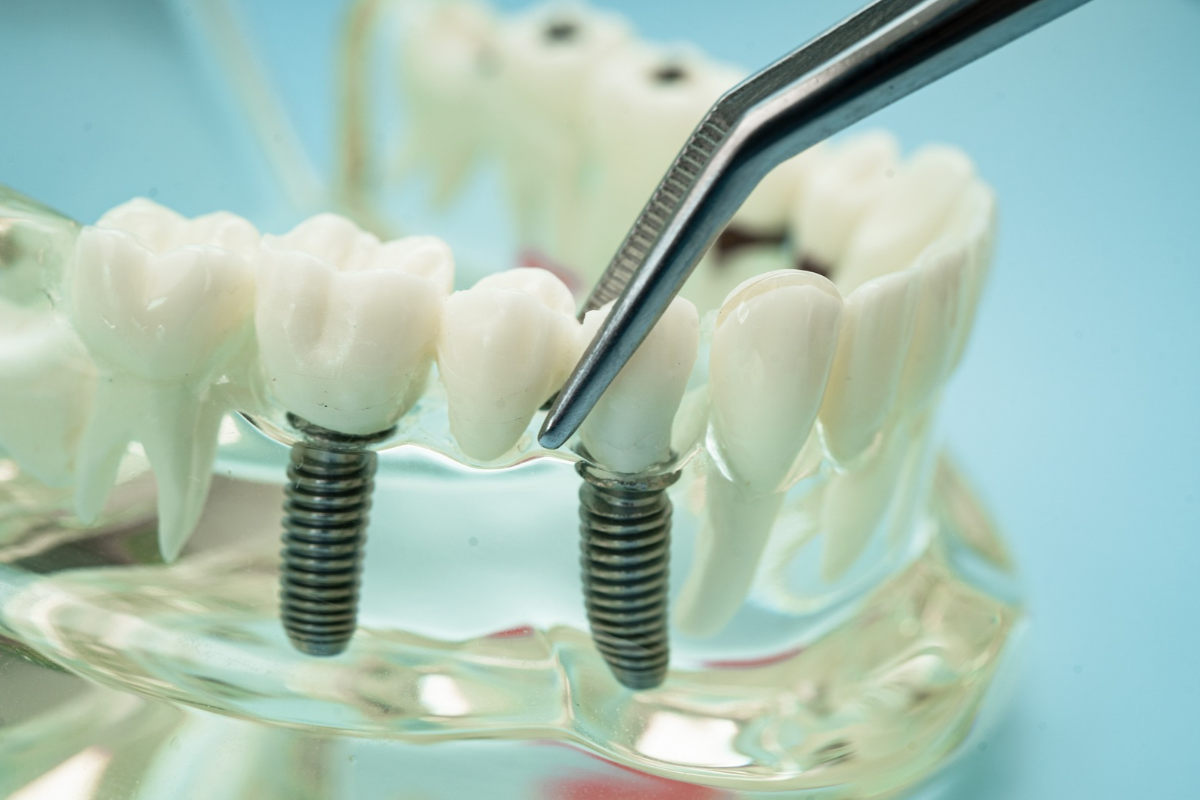
A dental crown is a cap that covers a tooth to restore its shape, strength, and function. In children, crowns are most often used on baby molars that have large cavities, weak enamel, or have had pulp treatment. A crown can help protect the tooth until it naturally falls out.
Common types include:
- Stainless steel crowns: Prefabricated, durable, and widely used on baby molars
- Tooth-colored crowns: Such as zirconia or other ceramic options, sometimes chosen for appearance
- Resin or composite-based options: Used in select cases
Your dentist will recommend a type based on the tooth, the amount of damage, your child’s age, and other factors.
Is It Normal for a Child’s Tooth to Hurt When Biting After a Crown?
Mild tenderness for a few days can be normal. Placing a crown involves reshaping the tooth, working near the gums, and sometimes treating the nerve. Afterward, the tooth and the tissues around it may feel sore or sensitive.
Here is a general guide to what’s typically expected and what isn’t. Every child is different, so this isn’t a substitute for your dentist’s advice.
| Timeframe | Often expected | Worth a call |
| First 24 hours | Numbness wearing off, mild soreness, tender gums | Severe pain, swelling, fever |
| First few days | Mild sensitivity or tenderness when chewing | Pain that’s getting worse, not better |
| First week or so | Gradual improvement | Biting pain that persists or a crown that feels “tall” |
| Beyond a week or two | Should feel like a normal tooth | Ongoing pain, a loose crown, or a gum bump |
If you’re unsure, call. It’s always reasonable to ask.
Common Reasons a Child Feels Pain When Biting After a Crown
1. Gum Soreness and Irritation
Gums around the crown may be tender from the procedure, from the clamp or tools used during treatment, or from the crown’s edge sitting close to the gumline. This often improves within a few days with gentle cleaning.
2. A “High Bite”
If the crown is even slightly taller than it should be, that tooth hits first when your child bites down. That can make the tooth sore and cause jaw fatigue. Because numbness can make it hard to judge the bite at the appointment, a high spot sometimes shows up afterward. It’s one of the most common and most fixable causes of biting pain, and a quick adjustment is usually all it takes.
3. Inflammation of the Tooth’s Nerve
A tooth that needed a crown often had deep decay or other stress before treatment. The nerve inside may still be irritated afterward, causing sensitivity to biting, temperature, or pressure. Mild irritation can settle down. Persistent or worsening pain deserves evaluation.
4. Pre-Existing Infection or a Tooth With Nerve Damage
Sometimes decay was close to the nerve or an infection was already developing before the crown was placed. In that case, symptoms may appear or continue afterward. Signs include swelling, a pimple-like bump on the gum, pain that wakes your child at night, or fever.
5. Food or Cement Caught Under the Gum
A small bit of dental cement or food can irritate the gum around the crown. Gentle brushing and flossing help, but if the gum stays sore, the dentist can check it.
6. A Crown That Isn’t Fitting Well
In some cases, the margins of the crown may not sit perfectly against the tooth, or the crown may have loosened slightly. A loose or poorly fitting crown can trap bacteria and cause discomfort.
7. Pressure From Neighboring Teeth or Bite Changes
A new crown can change how teeth touch. Occasionally, the contact with the neighboring tooth feels tight, which may cause soreness or make flossing difficult.
8. Another Tooth Is the Real Source
Sometimes the crowned tooth isn’t the culprit. A cavity on a neighboring tooth, a loose baby tooth, or an erupting permanent molar can also hurt when chewing.
Why Children Can’t Always Tell You What’s Wrong
Young children often struggle to describe where something hurts or how it feels. Instead, they may show you:
- Chewing only on one side
- Refusing crunchy, chewy, or hard foods they used to enjoy
- Eating more slowly or leaving meals unfinished
- Grumpiness at mealtimes
- Poking at the cheek or tooth
- Extra sensitivity when brushing the area
- Trouble sleeping or waking at night
If you notice these patterns after a crown, mention them to your dentist even if your child says nothing hurts.
What You Can Do at Home
These steps can help your child feel more comfortable while you monitor the tooth:
- Offer soft foods such as yogurt, mashed potatoes, scrambled eggs, and smoothies (without a straw for a day, if recommended)
- Avoid hard, crunchy, or sticky foods such as ice, hard candy, taffy, and chewy gummies
- Brush gently around the crown, and keep the area clean
- Floss carefully (many dentists suggest sliding the floss out sideways rather than pulling it up, so it doesn’t catch the crown’s edge)
- Use age-appropriate pain relief such as children’s acetaminophen or ibuprofen, following the label for your child’s age and weight, or ask your dentist, pediatrician, or pharmacist
- Use a cold compress on the cheek if there’s mild swelling or soreness
- Watch the tooth over several days and note changes
What Not to Do
- Don’t place aspirin on the gum or tooth. It can burn tissue.
- Don’t try to adjust or remove the crown yourself.
- Don’t ignore swelling, fever, or worsening pain.
- Don’t assume it will “just go away” if it’s getting worse.
- Don’t use super glue or household adhesives if a crown comes loose.
When to Call the Dentist
Contact your child’s dentist if you notice:
- Pain when biting that continues beyond a few days or is getting worse
- A bite that feels “off” or a crown that seems too high
- A crown that feels loose, or has come off
- A sharp or rough edge irritating the cheek or tongue
- Gum redness, swelling, or a pimple-like bump near the crown
- Pain that wakes your child at night
- Sensitivity to hot or cold that lingers
- A bad taste or odor around the tooth
Seek same-day care for facial swelling, fever with tooth pain, or a swollen gum bump.
Go to the ER or call 911 if your child has trouble breathing or swallowing, or swelling that’s spreading toward the eye, throat, or neck.
What Happens at a Recheck Visit?
Parents are often worried that a return visit means something went wrong. Usually it doesn’t. At a recheck, we typically:
- Listen to your concerns and ask about when the pain occurs
- Examine the crown and gums, checking the fit and edges
- Check the bite, often using bite-marking paper to find high spots
- Take an X-ray if needed to look at the tooth, the nerve area, and the bone beneath
- Gently test the tooth for sensitivity or tenderness
- Explain the findings and what we recommend
Depending on what we find, the next step might be:
- A simple bite adjustment
- Watching the tooth and rechecking in a few days
- Cleaning or addressing gum irritation
- Re-cementing or replacing the crown
- Treating the nerve or infection if needed
- Extracting the tooth in rare cases when it can’t be saved
Many causes are straightforward to fix, and outcomes vary. No one can promise a specific result, but prompt attention generally gives you the most options.
Do Different Crown Types Feel Different?
All crowns can cause some initial soreness, since the main source is usually the tooth’s condition and the work done around it, not the crown material itself. Stainless steel crowns fit over the tooth like a cap and are adapted to its shape. Tooth-colored crowns can offer a more natural look but may involve more reshaping of the tooth in some cases. If you’re curious which option is best for your child, ask your dentist to explain the tradeoffs.
How to Help a Crown Last
- Keep brushing twice a day with fluoride toothpaste: a rice-grain smear for children under 3, a pea-sized amount for ages 3 to 6
- Help with brushing until your child can do it well on their own
- Floss once a day, including around the crowned tooth
- Limit sticky and hard foods, especially candy that can pull on a crown
- Limit sugary drinks and snacking, since decay can still develop around the edges
- Keep regular checkups, usually every six months, or as recommended
- Mention grinding or clenching if you notice it, since that can stress a crown
A Word for Parents
If your child is hurting, it’s natural to worry that something was missed or done wrong. Soreness after a crown is common, and fixing a high spot or irritated gum is routine. What matters is that you notice, ask questions, and get the tooth checked. You know your child best, so trust your instincts.
Finding Pediatric Dental Crowns in Austin, Texas
Choosing a dental home for your child is about trust as much as skill. You want a team that explains what’s happening in plain language, takes your child’s discomfort seriously, and is easy to reach when something doesn’t feel right.
At Sherwood Pediatric Dentistry, we provide dental care for infants, children, and teens in Austin, Texas. If you’re looking into pediatric dental crowns in Austin, whether your child is about to get one or is already having trouble after a crown, our team can examine the tooth, check the bite, and talk through next steps. Our services are designed to make visits calm, clear, and kid-friendly, with honest recommendations about what to treat now and what to monitor.
When you visit, you can expect:
- A gentle, child-friendly exam
- Clear explanations in language you and your child can understand
- X-rays only when they’re needed
- A plan for follow-up so you’re not left guessing
Frequently Asked Questions
How long should a tooth hurt after a crown?
Mild soreness for a few days can be normal. If pain when biting continues past a week, gets worse, or comes with swelling or fever, call your dentist.
Can a crown be too high?
Yes. A crown that’s slightly too tall can make the tooth sore when biting. A dentist can usually adjust it quickly.
Is pain when biting a sign of infection?
Not necessarily, but it can be. Infection is more likely if there’s swelling, a gum bump, fever, or pain that wakes your child at night. Have the tooth checked.
What can I give my child for pain after a crown?
Many parents use children’s acetaminophen or ibuprofen, but dosing depends on your child’s age and weight. Follow the label, or ask your dentist, pediatrician, or pharmacist. Don’t place aspirin on the gums.
Can a baby tooth crown fall off?
It can, though it’s not common. If a crown comes off, save it, avoid using household glue, and call your dentist so it can be re-cemented or replaced.
Don’t Ignore Pain When Biting
A little tenderness after a crown can be part of healing, but biting pain that lingers or gets worse is worth a look. A quick check can often fix the problem and get your child back to eating comfortably.
If your child is having trouble after a crown, or you have questions before treatment, contact Sherwood Pediatric Dentistry in Austin, Texas, to schedule a visit. Our team is here to provide gentle, clear, family-friendly care.
Categorised in: Dental Crowns