
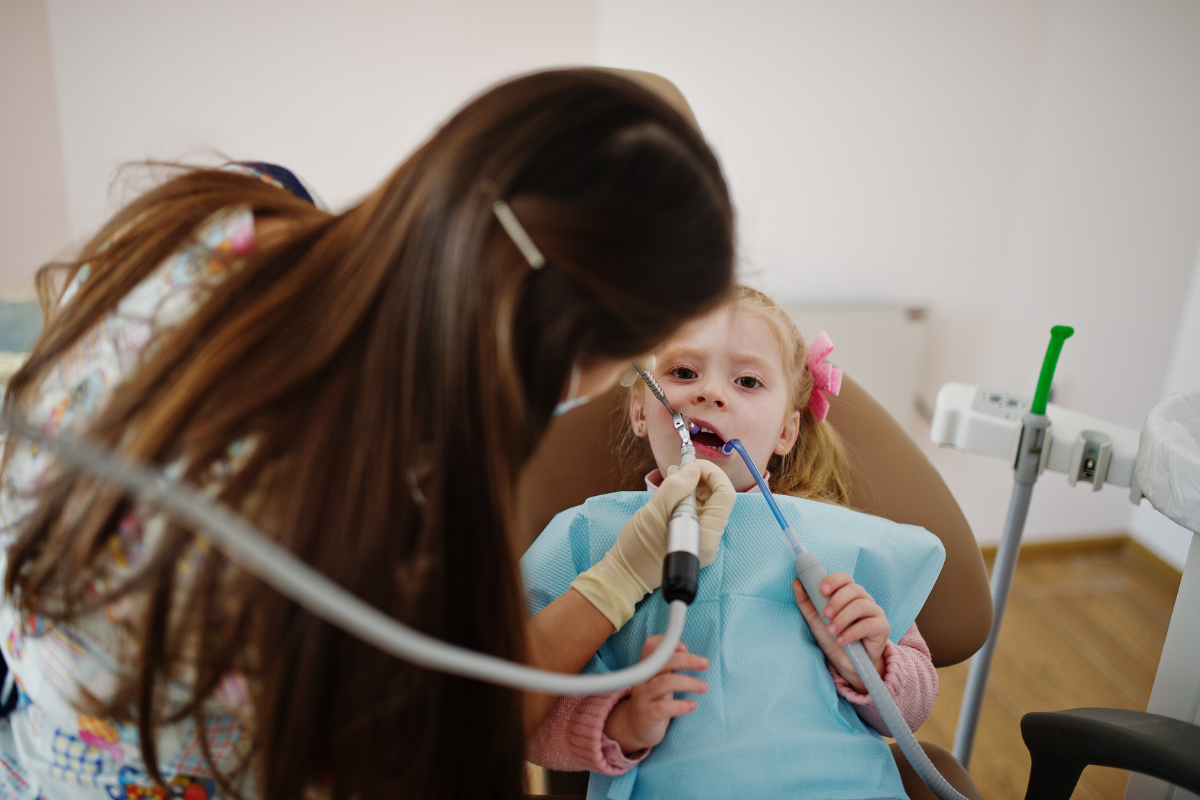
Toothache or Dental Emergency? How Austin Parents Can Tell the Difference
August 24, 2026 11:07 amA toothache can be a minor irritation or a sign of a more serious dental problem. In children, persistent pain, swelling, fever, or pain following an injury can indicate that prompt dental attention is needed. Recognizing these warning signs helps parents respond appropriately and avoid unnecessary delays in treatment.
For families searching for a same-day emergency dentist for kids in Austin, understanding the difference between a routine dental concern and an urgent problem can make it easier to get the right care at the right time. At Sherwood Pediatric Dentistry, we provide prompt, child-focused dental care for toothaches, dental injuries, swelling, and other urgent oral health concerns.
Is Every Child’s Toothache a Dental Emergency?
Not necessarily.
A toothache is a symptom, rather than a diagnosis. The underlying cause could range from food trapped between teeth to significant decay or infection.
The severity and duration of the pain are important clues.
A child may need prompt dental attention when pain is:
- Severe or throbbing
- Persistent or getting worse
- Preventing normal eating
- Waking them during the night
- Associated with swelling
- Accompanied by fever
- Related to a broken or injured tooth
- Making it difficult to speak or open the mouth comfortably
If you’re unsure, contacting a pediatric dental office is often the safest way to determine how urgently your child should be evaluated.
When a Toothache May Need Same-Day Care
Certain symptoms deserve more immediate attention.
Severe or Persistent Tooth Pain
A child who is experiencing significant pain shouldn’t simply be expected to wait it out.
Persistent pain can be associated with:
- Advanced tooth decay
- Inflammation of the dental pulp
- A dental infection
- A cracked or fractured tooth
- Trauma
- Food or another object trapped between teeth
If your child is unable to eat, sleep, concentrate, or participate in normal activities because of tooth pain, contact your pediatric dentist.
Swelling Around the Tooth or Face
Swelling is one of the more important warning signs.
Swelling around the gums, cheek, or face may indicate an infection or abscess. Dental infections can worsen if left untreated, so prompt professional evaluation is important.
Parents should be particularly attentive if swelling occurs alongside:
- Fever
- Increasing pain
- Facial swelling
- Difficulty eating
- Difficulty swallowing
If swelling affects breathing or swallowing, or if there is a serious facial injury, seek emergency medical care immediately rather than waiting for a routine dental appointment.
When a Broken Tooth Is an Emergency
Children are active, and dental injuries can happen during sports, playground activities, bicycle rides, or everyday play.
A chipped tooth isn’t always an emergency, but a significant fracture should be evaluated.
Contact a pediatric dentist promptly if your child:
- Breaks a large portion of a tooth
- Experiences significant pain after the injury
- Has bleeding that doesn’t stop
- Has a tooth that has become loose after trauma
- Has a tooth pushed out of its normal position
- Has swelling following an injury
Even when the visible damage appears small, there may be an injury underneath the surface that isn’t immediately obvious.
What If Your Child Knocks Out a Tooth?
The type of tooth matters.
Knocked-Out Baby Tooth
A knocked-out baby tooth should not normally be placed back into the socket, because attempting to reinsert it can potentially affect the developing permanent tooth.
Instead, contact your child’s pediatric dentist promptly for guidance and evaluation.
Knocked-Out Permanent Tooth
A knocked-out permanent tooth is more urgent.
Handle the tooth carefully by the crown rather than the root. If it is dirty, gently rinse it without scrubbing. Seek dental care immediately because treatment timing can affect the possibility of saving the tooth.
When a permanent tooth is knocked out, don’t wait until the next day to call.
Toothache vs. Dental Emergency: A Quick Guide
| Situation | Recommended Response |
| Mild, occasional sensitivity | Monitor and mention it at the next dental visit |
| Food stuck between teeth | Gently floss and monitor |
| Persistent toothache | Contact the pediatric dentist |
| Severe or worsening pain | Seek prompt dental evaluation |
| Swollen gums or face | Contact a dentist promptly |
| Fever with dental pain/swelling | Seek urgent evaluation |
| Chipped tooth without significant pain | Contact the dental office for guidance |
| Broken tooth with significant pain | Seek prompt dental care |
| Knocked-out permanent tooth | Seek immediate dental care |
| Uncontrolled bleeding | Seek emergency medical care |
This is general guidance, not a diagnosis. When you’re uncertain about your child’s symptoms, contacting a dental professional is the best way to determine the appropriate next step.
What Causes Dental Emergencies in Children?
Dental emergencies don’t always happen because of an accident.
Several common dental problems can develop gradually and eventually become urgent.
Untreated Cavities
A cavity can start small without causing noticeable symptoms.
As decay progresses deeper into the tooth, a child may begin experiencing sensitivity or pain. If the decay reaches the inner tissues of the tooth, discomfort can become more severe.
This is one reason regular pediatric dental visits are so important.
Dental Trauma
Falls, sports injuries, collisions, and accidents can damage children’s teeth.
A tooth may become:
- Chipped
- Cracked
- Fractured
- Loose
- Displaced
- Knocked out
Prompt evaluation helps determine whether the tooth can be protected and restored.
Dental Infection
An untreated cavity or injured tooth can sometimes develop an infection.
Signs may include:
- Persistent pain
- Swelling
- Gum tenderness
- Facial swelling
- Fever
- A pimple-like bump on the gums
These symptoms should not be ignored.
What Should Parents Do Before Reaching the Dentist?
Knowing what to do immediately can make an unexpected situation less stressful.
For a Toothache
You can:
- Have your child gently rinse their mouth with warm water.
- Carefully floss around the painful tooth if food may be trapped.
- Use a cold compress on the outside of the cheek if swelling is present.
- Follow your pediatrician or dentist’s guidance regarding age-appropriate pain medication.
Don’t place aspirin directly against your child’s gums.
For a Broken Tooth
Try to:
- Keep your child calm.
- Have them rinse gently with water.
- Save any broken pieces if possible.
- Use a cold compress if swelling develops.
- Avoid chewing on the injured side.
- Contact your pediatric dentist.
For a Knocked-Out Permanent Tooth
Time matters.
Handle the tooth carefully by the crown, avoid touching the root, and seek immediate dental care.
If you’re unsure what to do, call the dental office while you’re preparing to leave so the team can provide situation-specific guidance.
What About Bleeding?
A small amount of bleeding after losing a baby tooth or experiencing a minor mouth injury may not indicate a serious emergency.
However, bleeding that is heavy or doesn’t stop with appropriate pressure requires prompt attention.
If your child has significant uncontrolled bleeding, especially following a serious facial injury, seek emergency medical care.
The important thing is to consider the amount, duration, and cause of the bleeding rather than assuming that any blood means an emergency.
Should You Go to the ER or a Pediatric Dentist?
Parents sometimes aren’t sure whether a dental emergency belongs in a dental office or a hospital emergency department.
For many dental-specific problems, such as severe tooth pain, broken teeth, or dental infections, a pediatric dentist is the appropriate professional to evaluate the teeth and provide dental treatment.
However, certain situations require emergency medical attention.
Seek Emergency Medical Care for Concerns Such As:
- Difficulty breathing
- Difficulty swallowing
- Severe uncontrolled bleeding
- A serious head injury
- Loss of consciousness
- Suspected significant jaw or facial fracture
- Rapidly spreading swelling affecting the airway
A dental office can address many urgent oral health problems, but serious medical emergencies should never be delayed while waiting for dental treatment.
Why Children Need Pediatric Emergency Dental Care
A dental emergency can be especially difficult for a child.
Pain can make children:
- Anxious
- Frustrated
- Tearful
- Less cooperative
- Afraid of dental treatment
A pediatric dental team understands that treating the tooth is only part of the situation.
The team also needs to help the child feel safe.
At Sherwood Pediatric Dentistry, we provide child-centered emergency dental care designed to address urgent problems while helping children feel comfortable and supported. Our emergency services focus on concerns such as severe toothaches, dental injuries, swelling, and other urgent pediatric dental problems.
What Happens During a Same-Day Emergency Visit?
Parents may worry that an emergency appointment automatically means extensive treatment.
Not necessarily.
The first step is determining what is actually happening.
During an emergency evaluation, the dentist may:
Examine the Mouth
The dental team checks the affected tooth, surrounding gums, and other areas of the mouth.
Ask About Symptoms
Parents may be asked:
- When did the pain begin?
- Is it constant or occasional?
- Did an injury occur?
- Is there swelling?
- Has your child had a fever?
- Is your child having trouble eating or sleeping?
Take X-Rays When Necessary
Dental imaging can help identify problems that aren’t visible during a visual examination, particularly following trauma or when decay may have reached deeper into a tooth.
Recommend Appropriate Treatment
Depending on the situation, treatment could involve:
- Restorative care
- A filling
- A crown
- Pulp therapy
- Treatment for infection
- Monitoring of an injured tooth
- Other appropriate pediatric dental care
The treatment depends on the child’s individual condition.
Why Same-Day Care Can Be Important
When a child is experiencing significant dental pain, waiting can affect more than just their teeth.
Pain can interfere with:
- Sleep
- Eating
- School
- Concentration
- Mood
- Normal activities
Prompt evaluation can help identify the cause and determine what needs to be done.
In some situations, early treatment can also prevent a dental problem from becoming more complicated.
That is why parents searching for a same-day emergency dentist for kids in Austin are often looking for more than simply an appointment; they want reassurance, a proper diagnosis, and an appropriate treatment plan.
Preventing Future Dental Emergencies
Not every dental emergency can be prevented, but several habits can reduce the risk.
Keep Regular Dental Appointments
Routine visits allow your child’s dentist to identify cavities and other concerns before they become urgent.
Encourage Good Oral Hygiene
Help your child brush twice a day and floss regularly as recommended by their dental team.
Use a Mouthguard for Sports
A properly fitted mouthguard can help protect the teeth during athletic activities.
Avoid Hard Objects
Discourage children from chewing on ice, hard candy, or other objects that could damage teeth.
Don’t Ignore Early Symptoms
If your child repeatedly mentions tooth sensitivity or discomfort, don’t wait until the pain becomes severe.
Early evaluation is usually easier than dealing with a problem after it has progressed.
How Sherwood Pediatric Dentistry Can Help
At Sherwood Pediatric Dentistry, we provide comprehensive pediatric dental services for families in Austin, Texas, including care for unexpected dental problems.
Our team understands that emergencies can be stressful for both children and parents. We focus on identifying the source of the problem, relieving discomfort when possible, and protecting your child’s developing smile.
Our pediatric dental services can include care related to:
- Toothaches
- Dental injuries
- Broken or damaged teeth
- Swelling and dental infections
- Restorative treatment
- Preventive care
- Developing teeth and oral health
If your child is experiencing an urgent dental concern, our team can help determine the appropriate next step.
FAQs
How do I know if my child’s toothache is an emergency?
Severe or persistent pain, pain that interrupts sleep or eating, swelling, fever, or pain following an injury are reasons to contact a pediatric dentist promptly.
Can I wait until tomorrow if my child has a toothache?
It depends on the severity and symptoms. Mild, occasional discomfort may not require same-day care, but severe or worsening pain, swelling, fever, or trauma should be evaluated promptly.
Should I take my child to an emergency room for a dental problem?
Many dental-specific problems are best evaluated by a pediatric dentist. However, difficulty breathing or swallowing, uncontrolled bleeding, significant facial trauma, or other serious medical symptoms require emergency medical attention.
What should I do if my child’s permanent tooth is knocked out?
Handle the tooth by the crown, avoid touching the root, and seek immediate dental care. Do not delay treatment while waiting to see whether the tooth improves on its own.
Does a baby tooth need emergency treatment?
It can. Baby teeth are important for chewing, speech, and maintaining space for permanent teeth. An injured or infected baby tooth should be evaluated to determine the appropriate treatment.
Conclusion
A child’s toothache isn’t always an emergency, but certain symptoms should never be ignored. Severe or persistent pain, swelling, fever, dental infections, significant fractures, and traumatic injuries may require prompt professional evaluation.
The most important thing parents can do is avoid guessing when the situation is unclear. A quick call to a pediatric dental office can help determine whether your child needs same-day emergency dentist for kids in Austin or can safely wait for a routine appointment.
At Sherwood Pediatric Dentistry, we provide compassionate pediatric dental care for families in Austin and help children receive appropriate treatment when unexpected dental problems occur.
If your child is experiencing significant tooth pain, swelling, or a dental injury, contact Sherwood Pediatric Dentistry to schedule an evaluation and get your child’s smile back on track.
Categorised in: Emergency Dentistry