
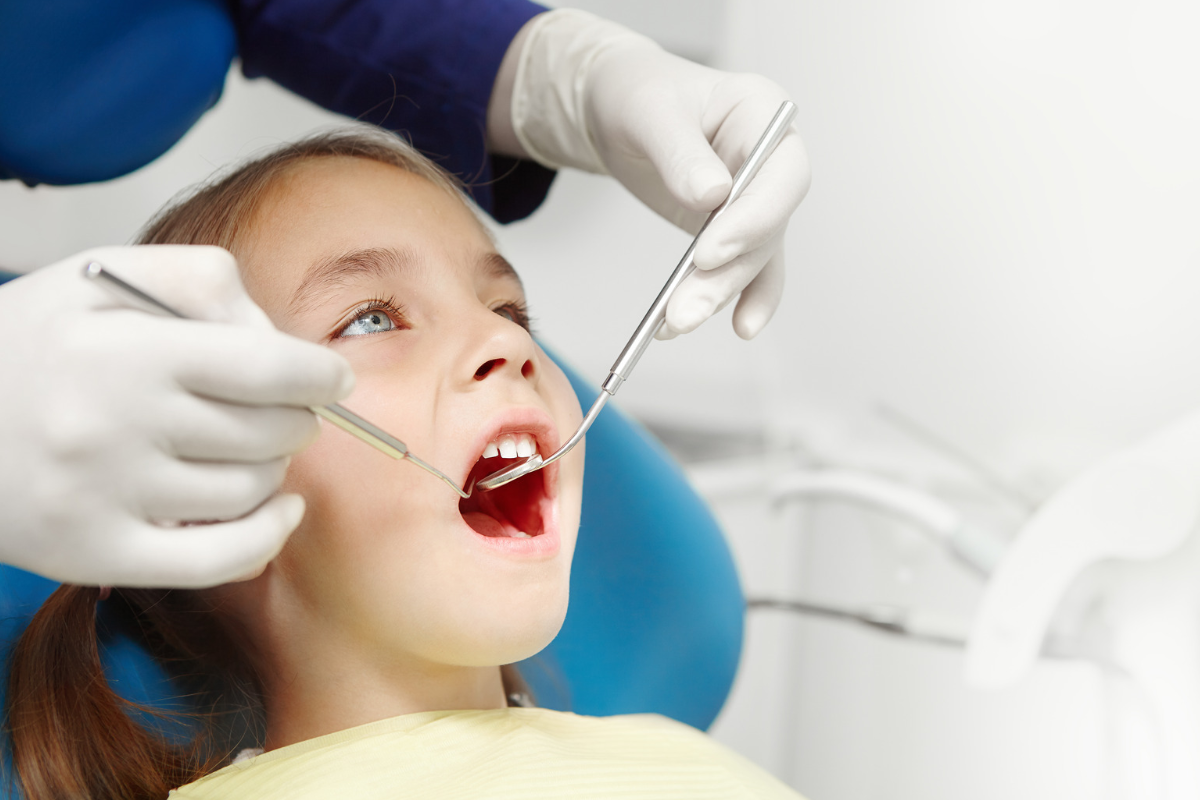
What Is the Difference Between Nitrous Oxide, Oral Sedation, and IV Sedation for Kids?
November 17, 2026 12:59 pmIf your child needs dental work and the dentist mentions sedation, it’s normal to have questions. What’s the difference between “laughing gas” and sedation medicine? Will my child be asleep? How long will they feel groggy? Is it safe?
The right option depends on your child’s age, health, anxiety level, and the treatment they need. Nitrous oxide, oral sedation, and IV sedation work very differently, and understanding the differences helps you ask better questions and feel more confident about the plan.
Here’s a parent-friendly breakdown of all three, along with how to prepare, what recovery looks like, and what to ask your provider.
First, Why Do Some Kids Need Sedation?
Most children do fine at the dentist with a gentle, friendly approach. Pediatric dentists are trained in behavior guidance, meaning they use calm communication, explanation, and patience to help kids feel safe. Sedation isn’t a first resort, and it isn’t needed for every child.
It may be considered when a child:
- Has significant dental anxiety or fear
- Is very young and unable to cooperate for longer treatment
- Needs extensive work, such as multiple fillings or crowns
- Has special healthcare needs or difficulty staying still
- Has had difficult past dental experiences
For some kids, sedation can mean less stress and fewer visits. But every level of sedation carries some risk, which is why careful selection, monitoring, and provider training matter.
Nitrous Oxide: The Gentlest Option
What It Is
Nitrous oxide, often called laughing gas, is a mild sedative gas mixed with oxygen and breathed through a small mask that fits over the nose. It’s the most commonly used form of sedation in pediatric dentistry.
How It Feels
Your child stays awake and can respond to the dentist. The gas helps them feel relaxed, and some describe feeling floaty, tingly, or sleepy. It typically starts working within a few minutes.
Recovery
This is the biggest advantage. When treatment ends, your child breathes pure oxygen for a few minutes and the effects clear quickly. Most kids can return to normal activities soon afterward. Your dentist will tell you about any eating restrictions.
Best For
- Mild to moderate anxiety
- Routine procedures like fillings, cleanings, or sealants
- Cooperative kids who just need a little help relaxing
Things to Know
- It isn’t strong enough for every child, particularly those with severe fear or who need lengthy, extensive treatment
- Some children feel nauseated, especially if they’ve eaten a large meal beforehand
- Children with certain nasal or respiratory conditions may not tolerate a nasal mask well, so tell your dentist about any breathing issues
Oral Sedation: A Step Up
What It Is
Oral sedation uses a medication, typically a liquid, that your child swallows before treatment. It’s prescribed or provided by the dentist and given according to the child’s weight and health.
How It Feels
Oral sedation is deeper than nitrous oxide. Many children become very relaxed and drowsy, and some drift into light sleep. They can usually still be roused and respond to touch or voice, though this depends on the level of sedation.
Recovery
Because the medicine has to wear off gradually, recovery takes longer. Many children feel groggy for several hours, and parents are generally asked to keep them home and supervised for the rest of the day.
Best For
- Moderate anxiety
- Children who need longer or more involved treatment
- Kids who may not do well with only nitrous oxide
- Patients who aren’t good candidates for an IV
Things to Know
- Absorption varies. Because the medicine passes through the digestive system, the exact effect can be less predictable than with an IV.
- It requires more preparation. You’ll receive specific instructions about fasting, medications, and what to do beforehand.
- Monitoring is essential. Because the medicine affects consciousness, a trained team should monitor your child’s vital signs throughout.
- Case selection is stricter than with nitrous oxide.
- Your child may be unsteady afterward, so close supervision matters, including in the car.
IV Sedation: Deeper and More Controllable
What It Is
IV (intravenous) sedation delivers medication directly into the bloodstream through a small catheter placed in a vein. This allows the provider to adjust the depth of sedation during the procedure.
How It Feels
IV sedation typically produces deeper relaxation than oral sedation. Many children fall into a light sleep and have little or no memory of the procedure. Even so, they’re generally expected to keep breathing on their own.
Recovery
Recovery is gradual. Children are monitored until they’re ready to go home, and drowsiness can last for hours afterward.
Best For
- Extensive dental treatment
- Very anxious children
- Cases where nitrous oxide or oral sedation isn’t enough
- Some children with special healthcare needs
Things to Know
- It requires specific provider training. IV sedation should be done by an appropriately trained provider, such as a dental anesthesiologist, oral surgeon, or a dentist with the proper credentials and permits.
- Professional guidelines emphasize safety teams. Recent guidance from major dental and medical organizations recommends having a dedicated, qualified provider responsible for monitoring when moderate or deep sedation is used.
- Placing an IV can be stressful for some children, so the process matters.
- It’s not always available in every pediatric office. Some practices work with a dental anesthesiologist or refer to a hospital setting.
What About General Anesthesia?
General anesthesia is a separate level, in which the child is fully asleep. It’s typically reserved for very young children needing significant work, certain medical conditions, or complex cases. If your child’s treatment is complicated, your dentist will discuss whether this option should be considered.
Side-by-Side Comparison
| Nitrous Oxide | Oral Sedation | IV Sedation | |
| How it’s given | Inhaled through a nasal mask | Swallowed as a liquid or pill | Through a vein |
| Depth | Mild | Mild to moderate | Moderate to deep |
| Child’s awareness | Awake and responsive | Drowsy, often relaxed or lightly asleep | Often lightly asleep |
| Onset | A few minutes | Takes time to work | Fast |
| Recovery | Quick | Several hours | Several hours |
| Preparation | Minimal | Fasting and instructions | Fasting and instructions |
| Best for | Mild anxiety, routine care | Moderate anxiety, longer visits | Extensive care, severe anxiety |
How Do You Know Which Is Right for Your Child?
There’s no universal answer. A pediatric dentist typically considers:
- Your child’s age and weight
- Their medical history, including allergies, medications, and breathing or heart conditions
- Their anxiety level and behavior
- The type and length of treatment
- Any previous experience with sedation or anesthesia
- Recent illness, such as a cold or congestion
Sometimes the best answer is the least invasive one. Other times, a more involved approach is safer and kinder for the child than trying to push through a stressful appointment. The goal is the right level, not the deepest one.
Questions to Ask About Pediatric Sedation in Austin
If you’re researching pediatric dentistry in Austin, TX, here are smart questions to ask any provider:
- Which type of sedation do you recommend for my child, and why?
- Are there alternatives we should try first?
- What training do you and your team have in pediatric sedation and emergency response?
- How will my child be monitored?
- What do I need to do before the appointment? Fasting rules, medication guidance, and illness policies all matter.
- What are the possible side effects and risks?
- What should I expect afterward, and when should I call?
- Which children do you not sedate in your office?
A good provider will welcome these questions and answer them clearly.
How We Approach Pediatric Dentistry in Austin
At Sherwood Pediatric Dentistry, we provide dental care designed around children, from first visits to more involved treatment. Our team knows that a child’s experience at the dentist can shape how they feel about dental care for years.
When you visit us, you can expect us to:
- Start with a thorough exam and a conversation about your child’s needs
- Use gentle, child-friendly communication and behavior guidance
- Explain every option in plain language, including whether sedation is needed at all
- Review your child’s health history carefully
- Provide clear instructions for before and after treatment
- Answer your questions so you feel informed and comfortable
Which sedation options are appropriate and available depends on your child’s situation, and results and experiences vary from child to child. We won’t recommend more than your child needs.
Frequently Asked Questions
Is nitrous oxide safe for kids?
Nitrous oxide is widely used in pediatric dentistry and is generally considered a mild, well-tolerated option when used by a trained provider. As with any sedative, your dentist will review your child’s health history and discuss any concerns first.
What is the difference between oral sedation and IV sedation?
Oral sedation is swallowed and takes time to work, with effects that can vary from child to child. IV sedation is delivered through a vein and allows the provider to adjust the depth more precisely. IV sedation generally requires specific provider training and additional monitoring.
Will my child be asleep during sedation?
It depends on the type and level. With nitrous oxide, children stay awake. With oral sedation, many become very drowsy and some doze lightly. With IV sedation, many children fall into a light sleep. General anesthesia, a separate category, means the child is fully asleep.
How long does it take for a child to recover from sedation?
Nitrous oxide wears off within minutes after pure oxygen is given. Oral and IV sedation can leave a child groggy for several hours, so plan for rest and supervision for the remainder of the day.
Can my child eat before sedation?
For nitrous oxide, a light meal is often fine, though your dentist will advise you. For oral or IV sedation, you’ll typically receive specific fasting instructions that you must follow carefully.
Ready to Talk About Your Child’s Care?
Choosing the right level of comfort for your child doesn’t have to be overwhelming. Our team at Sherwood Pediatric Dentistry is happy to talk through your questions, evaluate your child’s needs, and help you understand your options.
Contact Sherwood Pediatric Dentistry to schedule a visit in Austin, TX.
Categorised in: Pediatric Dentistry