
How Pediatric Dentists Save Teeth That Look Beyond Repair
June 24, 2026 5:22 pmOne day, your child’s tooth looks perfectly healthy. A few weeks later, you notice a large cavity, a dark spot, or even a broken piece of tooth. It is natural to assume the tooth cannot be saved. Many parents worry that extraction is the only option when a baby tooth appears badly damaged.
Fortunately, that is not always the case. Modern pediatric dentistry offers several ways to restore and protect teeth that may look beyond repair. In many situations, preserving the natural tooth helps support healthy development and prevents future oral health concerns.
At Sherwood Pediatric Dentistry, families receive guidance based on proven clinical techniques designed specifically for growing smiles. Dr. Sherwood believes every tooth deserves a thorough evaluation before removal is considered. If your child has a damaged or decayed tooth, visit our dental office to learn about available treatment options and book an appointment for a personalized evaluation.
Can a Tooth That Looks Beyond Repair Really Be Saved?
In many cases, yes. What parents see on the surface does not always reflect the full condition of the tooth underneath.
A tooth with significant decay or visible damage may still have enough healthy structure to support restoration. Pediatric dental practitioners use examinations and digital imaging to determine whether saving the tooth is possible.
The goal is not simply to repair a tooth. It is to maintain proper chewing function, support speech development, and preserve the space needed for future permanent teeth.
Many baby teeth remain in a child’s mouth for several years before naturally falling out. Saving them whenever possible often benefits long-term oral health.
Why Do Pediatric Dentists Try to Save Baby Teeth?
Baby teeth serve important functions that affect a child’s development. Losing them too early can create challenges that extend beyond the immediate problem.
These teeth help children:
- Chew food comfortably
- Speak clearly while developing language skills
- Maintain proper jaw growth
- Hold space for incoming permanent teeth
- Support healthy bite development
When a baby tooth is lost prematurely, neighboring teeth can shift into the empty space. This may increase the likelihood of future alignment problems.
For this reason, professionals generally focus on preserving teeth whenever doing so is safe and practical.
What Treatments Are Used to Save Severely Damaged Teeth?
Several restorative treatments can help protect and preserve baby teeth affected by decay, fractures, or infection. The right treatment depends on the extent of damage.
Pediatric Dental Crowns
When a large portion of a tooth has been weakened by decay or injury, a crown often provides the most reliable protection.
Parents researching pediatric dental crowns in Austin are often surprised to learn that these caps are one of the most effective tools for saving severely damaged baby teeth.
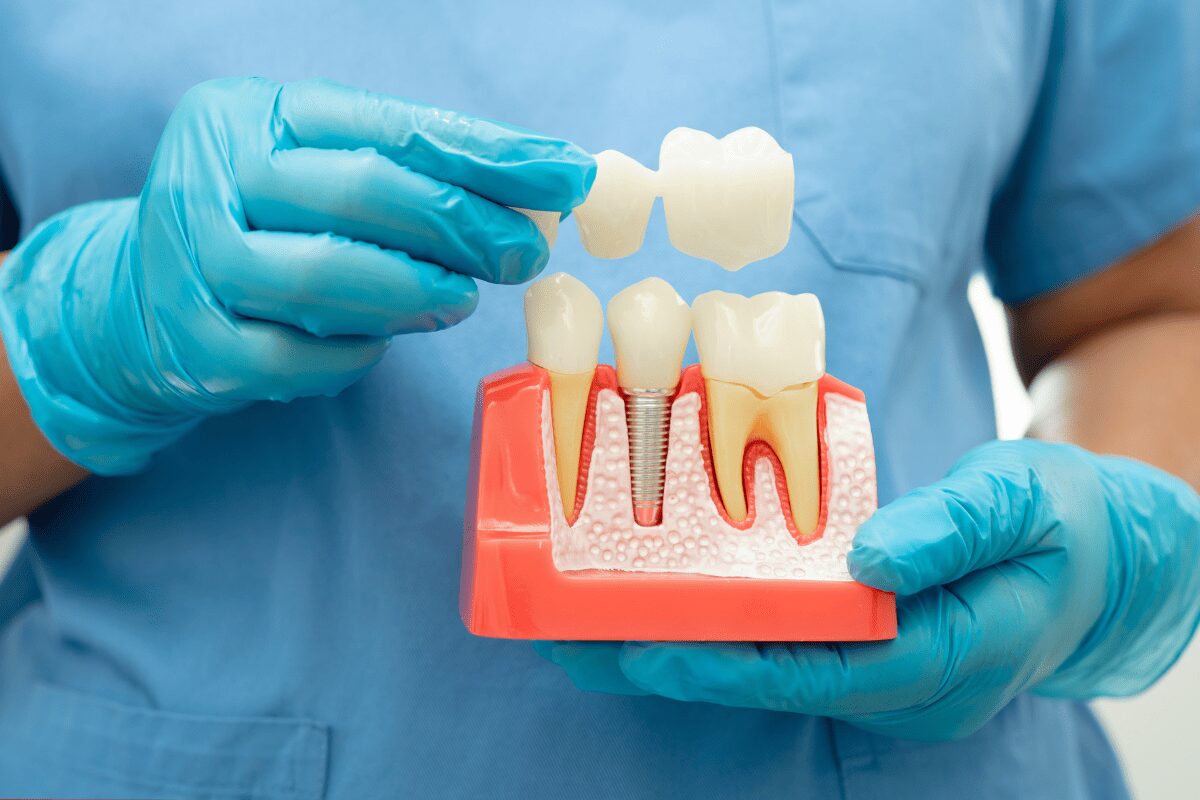
A pediatric crown covers the remaining tooth structure and protects it from further breakdown. Rather than removing the tooth, the crown allows it to continue functioning normally until it is naturally replaced by a permanent tooth.
Why Crowns Work So Well for Children
This procedure offers several important advantages:
- Protect weakened teeth from additional damage
- Restore normal chewing ability
- Reduce the risk of future fractures
- Preserve spacing for permanent teeth
- Support long-term oral development
- Provide full-coverage protection
For many children, a crown allows a compromised tooth to remain healthy and functional for years.
Pulp Therapy
When decay reaches the inner portion of a tooth, pulp therapy may help preserve it.
This procedure removes infected tissue while keeping healthy portions of the tooth intact whenever possible. After treatment, a crown is often placed to strengthen and protect the tooth.
Pulp therapy is frequently used when parents believe extraction is the only option.
Tooth-Colored Restorations
When damage is less extensive, restorative materials may be used to rebuild the tooth.
These restorations help restore shape, function, and appearance while preserving as much natural tooth structure as possible.
Can Teeth Damaged by Accidents Be Saved?
Yes. Many teeth damaged during falls, sports activities, playground accidents, or bicycle injuries can often be restored when treatment is sought promptly.
Children are naturally active. Whether they are playing sports, exploring local parks, or enjoying outdoor activities with friends, dental injuries can happen unexpectedly.
Common injuries that may still be treatable include:
- Chipped teeth
- Fractured teeth
- Cracked teeth
- Broken tooth edges
- Minor trauma-related damage
Prompt evaluation is important because delaying treatment may reduce the chances of saving the tooth.
What Dr. Sherwood Wants Parents to Know
One of the most common misconceptions among parents is that severely damaged baby teeth should automatically be removed. In reality, preserving a baby tooth often helps support proper spacing, chewing function, and healthy development. Every situation is unique, which is why a professional evaluation is essential before deciding on treatment.
How Do Pediatric Dentists Decide Whether a Tooth Can Be Saved?
Several clinical factors help determine whether restoration or extraction is the most appropriate option.
Pediatric dental practitioners evaluate the health of the tooth, surrounding tissues, and developing permanent teeth before making recommendations.
|
Condition |
Can the Tooth Often Be Saved? |
Possible Treatment |
|
Large cavity |
Often yes |
Pediatric crown |
|
Cracked tooth |
Often yes |
Restoration or crown |
|
Deep infection |
Sometimes |
Pulp therapy and crown |
|
Trauma-related fracture |
Often yes |
Crown restoration |
|
Extensive root damage |
Sometimes no |
Extraction |
Every child’s situation is different, which is why individualized treatment planning is so important.
What Happens If Treatment Is Delayed?
Delaying treatment can allow damage to worsen and reduce the number of available treatment options.
Children’s teeth have thinner enamel than adult teeth. This means cavities can spread more quickly and reach deeper layers of the tooth in a shorter period.
Waiting too long may lead to:
- Increased discomfort
- More extensive decay
- Infection
- Swelling
- Tooth loss
- More complex treatment needs
Families often balance busy schedules filled with school activities, sports practices, and weekends around local favorites such as Barton Springs and Zilker Park. However, addressing dental concerns early can help prevent minor problems from becoming larger ones.
Are Pediatric Dental Crowns Safe?
Yes. These tooth caps have been used successfully for many years and remain one of the most predictable methods for restoring severely damaged baby teeth.
They are specifically designed for children’s developing smiles and help strengthen teeth that might otherwise require removal.
Parents looking into pediatric dental crowns in Austin frequently choose this treatment because it helps preserve important baby teeth while supporting proper oral development.
When properly placed and maintained, these caps can protect a tooth until it naturally falls out.
How Can Parents Help Prevent Severe Tooth Damage?
Prevention remains the most effective way to reduce the risk of extensive dental treatment.
A few consistent habits can significantly lower the chances of severe decay.
Healthy Habits That Protect Children’s Teeth
- Brush twice daily with fluoride toothpaste
- Floss every day
- Schedule routine dental visits
- Limit frequent sugary snacks and beverages
- Encourage water between meals
- Address small dental concerns early
Children often enjoy treats from local food trucks, festivals, and family outings. Maintaining strong oral hygiene habits helps balance those occasional indulgences and supports long-term oral health.
Frequently Asked Questions
Can a badly decayed baby tooth still be saved?
Yes. Many severely damaged baby teeth can be restored with crowns or pulp therapy. Early evaluation often increases the likelihood of successful treatment.
How do pediatric dentists know if a tooth is beyond repair?
Dentists evaluate the tooth using clinical examinations and digital imaging. They assess the amount of healthy structure remaining and the condition of the roots.
Is it better to save a baby tooth or remove it?
Whenever possible, preserving a baby tooth helps maintain spacing, chewing function, and proper development. Extraction is typically considered when restoration is no longer predictable.
Can a crown be placed on a baby tooth?
Yes. Crowns are commonly used in pediatric dentistry to protect severely damaged teeth and help them remain functional until they naturally fall out.
What causes baby teeth to become severely damaged?
The most common causes include untreated cavities, dental injuries, enamel defects, and fractures resulting from accidents or sports-related impacts.
How long do pediatric crowns last?
Most pediatric crowns remain in place until the baby tooth naturally exfoliates. They are designed to withstand everyday chewing and normal childhood activities.
Should I seek treatment if my child’s tooth is not hurting?
Yes. Some serious dental problems may not cause immediate discomfort. Early evaluation helps identify issues before they become more difficult to treat.
Help Protect Your Child’s Developing Smile
A tooth that appears beyond repair may still have a future. Modern pediatric dentistry offers several ways to restore damaged teeth, protect oral development, and help children maintain healthy smiles as they grow.
At Sherwood Pediatric Dentistry, every treatment recommendation begins with a careful diagnostic evaluation. If your child has a damaged, broken, or severely decayed tooth, book an appointment to understand your child’s specific needs and explore the most appropriate treatment options. Visit our dental office today to ensure your child enjoys a healthy, beautiful smile for life.
Categorised in: Dental Crowns