
What Happens When a Child’s Cavity Becomes Too Large for a Filling?
July 23, 2026 9:59 pmCavities are one of the most common dental concerns children experience, but many parents are surprised by how quickly tooth decay can progress. A small cavity that may not seem serious at first can gradually become deeper, affecting the strength and health of the tooth, especially in baby teeth.
Baby teeth have thinner enamel compared to permanent teeth, which means decay can spread faster if it is not detected and treated early. While smaller cavities can often be repaired with a simple filling, larger cavities may require a stronger restoration to protect the tooth and prevent additional problems.
At Sherwood Pediatric Dentistry, we understand that hearing your child needs more than a filling can feel overwhelming. Our goal is to help parents understand every treatment option and provide gentle, child-friendly restorative care that protects your child’s smile.
When a cavity becomes too large for a filling, a pediatric dental crown may be the best solution to restore the tooth’s strength, function, and appearance. For families searching for pediatric dental crowns austin, our team provides personalized treatment designed specifically for growing smiles.
How Cavities Develop in Children
Tooth decay happens when bacteria in the mouth combine with sugars from food and drinks to create acids that weaken tooth enamel.
The process usually begins with:
- Plaque buildup on the tooth surface
- Acid attacks that weaken enamel
- Development of small cavities
- Progression into deeper layers of the tooth
Because children’s teeth are still developing, cavities can sometimes advance quickly without obvious warning signs.
At Sherwood Pediatric Dentistry, we focus on preventive visits and early detection so we can identify small areas of decay before they become larger dental concerns.
Why Baby Teeth Need Proper Treatment
Many parents wonder why baby teeth need treatment if they eventually fall out. However, primary teeth play an important role in a child’s overall development.
Baby teeth help with:
- Proper chewing and nutrition
- Clear speech development
- Guiding permanent teeth into the correct position
- Supporting healthy jaw growth
- Maintaining space for adult teeth
When a baby tooth is lost too early because of severe decay, it can sometimes create spacing or alignment concerns for developing permanent teeth.
Our team at Sherwood Pediatric Dentistry focuses on preserving baby teeth whenever possible so children can continue developing healthy smiles.
When Is a Filling No Longer Enough?
Dental fillings are an excellent option for repairing small to moderate cavities. They restore the damaged area and help protect the remaining tooth structure.
However, fillings may not provide enough support when decay becomes extensive.
A cavity may require a pediatric dental crown if:
- A large portion of the tooth is damaged
- Multiple surfaces of the tooth are affected
- The remaining tooth structure is weak
- The cavity is close to the nerve
- The tooth has experienced repeated decay
- The tooth is at risk of breaking
At Sherwood Pediatric Dentistry, we carefully evaluate each child’s tooth before recommending treatment. Our priority is always to choose the most effective option while preserving as much healthy tooth structure as possible.
What Happens When a Large Cavity Cannot Be Filled?
When a cavity becomes too large for a filling, treatment focuses on protecting the remaining tooth and restoring its function.
1. Removing the Decay
The first step is carefully removing the damaged portion of the tooth.
During this process, we:
- Remove infected tooth structure
- Clean the affected area
- Prevent the decay from spreading further
- Preserve healthy parts of the tooth
At Sherwood Pediatric Dentistry, we use gentle techniques and child-friendly approaches to make the experience as comfortable as possible.
2. Evaluating the Remaining Tooth Structure
After removing decay, we examine the tooth carefully to determine whether it can support a filling or requires additional protection.
We evaluate:
- The strength of the remaining tooth
- The size and location of the cavity
- Whether the nerve is affected
- The long-term stability of the tooth
If the tooth is too weakened for a filling, a crown may provide the protection it needs.
What Are Pediatric Dental Crowns?
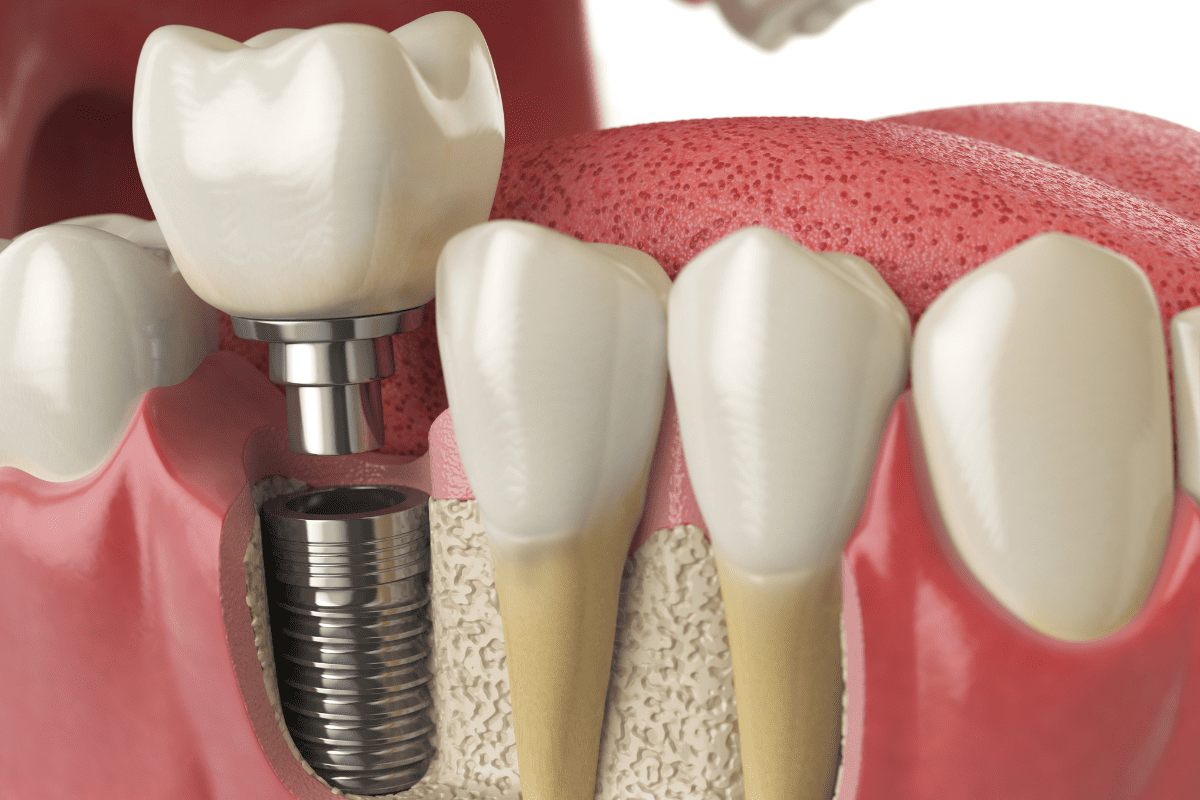
A pediatric dental crown is a protective covering placed over a damaged tooth to restore its strength and function.
Unlike a filling that only repairs part of the tooth, a crown covers the entire visible portion of the tooth.
Pediatric crowns help:
- Protect weakened teeth
- Prevent further damage
- Restore normal chewing ability
- Maintain proper spacing for permanent teeth
- Support healthy oral development
For families looking for pediatric dental crowns austin, our team at Sherwood Pediatric Dentistry provides customized crown treatments designed around each child’s specific needs.
Why Children May Need Dental Crowns Instead of Fillings
A crown provides additional protection when a filling may not be strong enough.
We may recommend a pediatric crown when:
The Cavity Is Very Large
Large cavities remove a significant amount of tooth structure. A filling may not be able to provide enough support, increasing the risk of future damage.
The Tooth Is Weak or Fragile
When too much healthy tooth structure has been lost, a crown helps hold the tooth together and prevent fractures.
The Tooth Needs Long-Term Protection
Baby teeth need to remain functional until they naturally fall out. A crown can protect the tooth during this important developmental period.
The Tooth Has Received Previous Treatment
Some teeth that have already experienced decay or repairs may benefit from additional protection with a crown.
At Sherwood Pediatric Dentistry, we consider your child’s age, dental development, and overall oral health when recommending restorative treatment.
Types of Pediatric Dental Crowns We Provide
Depending on your child’s needs, we may recommend different types of crowns.
Stainless Steel Crowns
Stainless steel crowns are commonly used for back teeth because they are durable and provide excellent protection.
Benefits include:
- Strong and long-lasting
- Effective for large cavities
- Able to withstand chewing forces
- Reliable for primary molars
Tooth-Colored Crowns
For front teeth or visible areas, tooth-colored crowns may provide a more natural appearance.
Benefits include:
- Blends with surrounding teeth
- Improves smile appearance
- Protects while maintaining aesthetics
Our team will recommend the best option based on your child’s tooth location, level of damage, and treatment needs.
What Happens During a Pediatric Dental Crown Procedure?
Many parents feel nervous when they hear their child needs a dental crown. At Sherwood Pediatric Dentistry, we understand these concerns and take every step to make the experience comfortable, positive, and stress-free for both children and parents.
The crown procedure is typically completed in a few simple steps.
1. Examining the Tooth
Before beginning treatment, we carefully examine your child’s tooth and evaluate the extent of the decay.
We may assess:
- The size of the cavity
- Remaining healthy tooth structure
- The condition of the surrounding gums
- Whether the tooth can be restored successfully
This allows us to create a treatment plan that best protects your child’s smile.
2. Keeping Your Child Comfortable
Before treatment begins, we use appropriate techniques to ensure your child remains comfortable throughout the procedure.
Depending on your child’s needs, we may use:
- Local anesthesia to numb the tooth
- Child-friendly explanations before each step
- Gentle communication techniques
- A calming approach designed for young patients
At Sherwood Pediatric Dentistry, we believe children should feel safe and confident during every dental visit.
3. Removing the Decay
Once your child is comfortable, we carefully remove the damaged portion of the tooth.
Our goal is to:
- Eliminate decay
- Preserve healthy tooth structure
- Prepare the tooth for the crown
- Prevent future complications
4. Placing the Crown
After preparing the tooth, we place a custom-fitted pediatric crown over it.
The crown is carefully adjusted to ensure:
- Proper fit
- Comfortable bite
- Natural function
- Long-term protection
Once placed, the crown allows your child to continue chewing normally while protecting the tooth until it naturally falls out.
Is Getting a Pediatric Dental Crown Painful?
A common concern among parents is whether their child will experience pain during or after getting a crown.
At Sherwood Pediatric Dentistry, our priority is keeping children comfortable throughout treatment.
Most children experience little to no discomfort during the procedure because the tooth is properly numbed.
After treatment, some children may notice:
- Mild sensitivity
- Slight gum tenderness
- Temporary soreness while chewing
These effects usually improve quickly.
We provide parents with clear aftercare instructions to help their child recover comfortably at home.
What Happens After a Child Gets a Dental Crown?
Most children return to their normal routine soon after receiving a pediatric dental crown.
After treatment, parents can expect:
- Normal eating habits after initial sensitivity improves
- Restored chewing ability
- Protection against further damage
- Continued development of healthy permanent teeth
A crowned baby tooth should still be cared for like any other tooth.
Children should continue:
- Brushing twice daily
- Flossing regularly
- Visiting the dentist for routine checkups
- Maintaining healthy eating habits
A crown protects the tooth, but good oral hygiene remains essential.
What Happens If a Large Cavity Is Left Untreated?
Delaying treatment for a large cavity can lead to more serious problems.
An untreated cavity may result in:
Tooth Infection
As decay spreads deeper, bacteria can reach the inner portion of the tooth and cause infection.
Severe Tooth Pain
Children may experience discomfort while eating, sleeping, or performing daily activities.
Early Tooth Loss
A severely damaged baby tooth may need to be removed before it naturally falls out.
Problems With Permanent Teeth
Baby teeth help guide adult teeth into position. Losing them too early may affect spacing and alignment.
At Sherwood Pediatric Dentistry, we encourage parents to schedule an evaluation as soon as they notice signs of decay or discomfort.
Early treatment often allows us to provide simpler, more comfortable solutions.
How Pediatric Dental Crowns Protect Baby Teeth
Baby teeth are temporary, but they are still extremely important.
A pediatric dental crown helps:
- Maintain proper tooth spacing
- Support normal chewing
- Protect the tooth from further decay
- Prevent unnecessary extractions
- Support healthy oral development
For children with large cavities, crowns often provide the protection needed to keep their smile healthy until permanent teeth are ready to emerge.
Preventing Large Cavities in Children
While pediatric dental crowns are effective for restoring damaged teeth, prevention is always the best approach.
At Sherwood Pediatric Dentistry, we focus heavily on preventive care to help children avoid extensive dental treatment whenever possible.
Parents can help protect their child’s smile by:
Encouraging Good Brushing Habits
Children should brush twice daily using fluoride toothpaste appropriate for their age.
Younger children may need help brushing effectively until they develop proper technique.
Limiting Sugary Foods and Drinks
Frequent exposure to sugar increases the risk of cavities.
Try limiting:
- Sugary snacks
- Sticky candies
- Sweetened drinks
- Frequent snacking throughout the day
Scheduling Regular Dental Visits
Routine visits allow us to:
- Detect cavities early
- Monitor tooth development
- Provide professional cleanings
- Offer preventive treatments when needed
Considering Dental Sealants
Sealants can provide additional protection for molars by covering deep grooves where bacteria and food particles often collect.
Why Austin Families Choose Sherwood Pediatric Dentistry
Choosing the right pediatric dentist is an important decision for your child’s long-term oral health.
At Sherwood Pediatric Dentistry, we provide personalized dental care focused on prevention, comfort, and healthy development.
Families throughout Austin choose our practice because we offer:
- Child-focused dental care
- Gentle restorative treatments
- Experience treating children of all ages
- Comfortable and welcoming visits
- Personalized treatment recommendations
- Education for parents and children
We understand that every child is different, which is why we take the time to explain treatment options and make dental care a positive experience.
Choosing the Right Pediatric Dentist for Dental Crowns in Austin
When searching for pediatric dental crowns austin, parents should look for a dental practice that understands the unique needs of children.
Important qualities include:
- Experience with pediatric restorative dentistry
- A child-friendly approach
- Clear communication with parents
- Modern dental techniques
- A focus on preserving natural teeth
At Sherwood Pediatric Dentistry, our team is dedicated to helping children maintain strong, healthy smiles through every stage of development.
Frequently Asked Questions
Why can’t a large cavity be repaired with a filling?
A large cavity may leave too little healthy tooth structure for a filling to provide long-term support. In these cases, a crown offers stronger protection and helps prevent further damage.
Are pediatric dental crowns safe for children?
Yes. Pediatric dental crowns are commonly used and designed specifically to protect children’s teeth while supporting normal development.
Will my child feel pain during the crown procedure?
Most children experience minimal discomfort because the tooth is numbed before treatment. Our team focuses on creating a comfortable and positive experience.
How long do pediatric dental crowns last?
Pediatric crowns are designed to protect baby teeth until they naturally fall out and are replaced by permanent teeth.
Can a tooth with a crown still get cavities?
Yes. While crowns provide strong protection, maintaining proper brushing, flossing, and regular dental visits is still important.
Protect Your Child’s Smile With Trusted Pediatric Dental Care
When a child’s cavity becomes too large for a filling, timely treatment can make a significant difference in protecting their oral health. A pediatric dental crown can restore strength, prevent further damage, and help maintain the function of the tooth until it naturally falls out.
At Sherwood Pediatric Dentistry, we provide gentle and personalized restorative care for children throughout Austin. If your child needs pediatric dental crowns austin, our experienced team can evaluate their smile, explain available treatment options, and recommend the best solution for their needs.
Our goal is to make every dental experience comfortable while helping children build healthy habits that last a lifetime.
If your child has a cavity, tooth sensitivity, or signs of dental discomfort, don’t wait until the problem becomes more serious. Schedule an appointment with Sherwood Pediatric Dentistry today and give your child the care they need for a healthy, confident smile.
Categorised in: Dental Crowns