
When Does a Child Need a Dental Crown? What Austin Parents Should Know
September 3, 2026 11:20 amWhen your child’s dentist recommends a dental crown, it is natural to have questions. Parents often wonder why a baby tooth needs such a significant restoration, especially when that tooth will eventually fall out. They may also wonder whether a filling would be enough, whether the procedure will be uncomfortable, or what could happen if treatment is postponed.
The answer depends on the condition of the tooth. A small cavity may be treatable with a filling, but a tooth that has been extensively weakened by decay, trauma, or previous treatment may need additional protection. A pediatric dental crown can cover and strengthen the remaining tooth structure while helping the tooth continue functioning until it is naturally ready to fall out.
For families researching pediatric dental crowns in Austin, understanding when a crown may be recommended can make the treatment decision easier. At Sherwood Pediatric Dentistry, we provide child-focused restorative care designed around each child’s dental health, comfort, age, and stage of development.
Why Would a Child Need a Dental Crown?
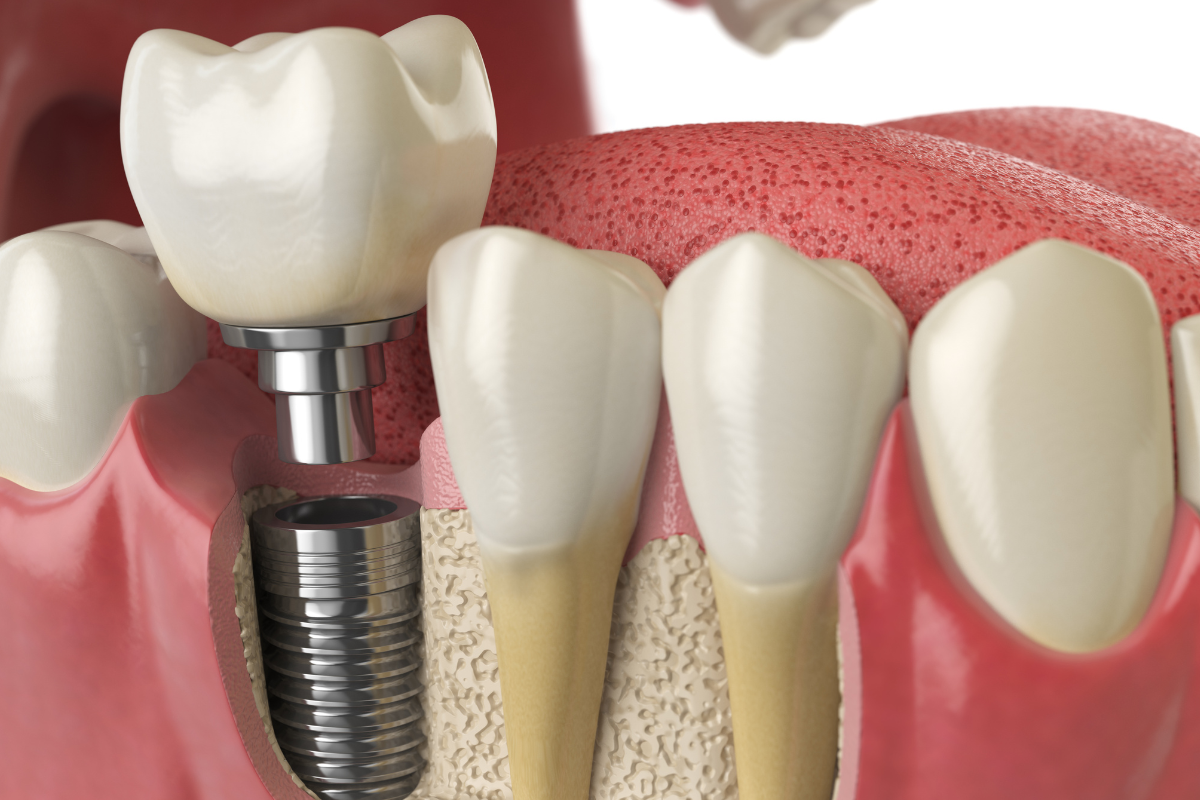
A dental crown is a protective covering placed over a damaged or weakened tooth. Instead of repairing only one portion of the tooth, a crown covers and protects much of the remaining tooth structure.
For children, crowns are commonly considered when a tooth has more extensive damage than a traditional filling can reliably restore.
Some common reasons include:
- Extensive tooth decay
- A large cavity
- A fractured or broken tooth
- Significant dental trauma
- Developmental defects that weaken the tooth
- A tooth that has received pulp treatment, such as a pulpotomy
- Insufficient healthy tooth structure to support a filling
The decision is always based on an individual examination. A pediatric dentist considers how much of the tooth remains healthy, how the tooth functions, the child’s age, and how long the tooth is expected to remain in the mouth.
Why Put a Crown on a Baby Tooth?
This is one of the most common questions parents ask.
Baby teeth are temporary, but they are still important. Primary teeth help children chew food, develop clear speech, and maintain appropriate space for permanent teeth developing underneath.
When a baby tooth is severely damaged, removing it prematurely may create additional concerns. Depending on the tooth and the child’s stage of development, early loss can affect the space available for the permanent tooth.
A crown can provide protection while allowing the primary tooth to remain functional until it is naturally ready to be replaced.
At Sherwood Pediatric Dentistry, we evaluate the individual tooth rather than automatically recommending treatment simply because it is a baby tooth.
Crown or Filling: Which Is Better for a Child?
Parents sometimes assume that a filling should always be the first choice because it is a smaller restoration. However, the best treatment depends on how much healthy tooth structure remains.
When a Filling May Be Enough
A filling may be appropriate when a cavity is relatively limited and enough healthy tooth structure remains to support the restoration.
The dentist evaluates the size and location of the decay before deciding whether a filling can provide adequate protection.
When a Crown May Be More Appropriate
A crown may be considered when decay has affected a substantial portion of the tooth.
If too much tooth structure has been lost, placing a filling may not provide sufficient strength. A crown can cover the remaining tooth and help protect it from additional damage.
A pediatric dentist may also recommend a crown after certain pulp treatments because the tooth may need additional structural protection.
The goal is not simply to choose the larger treatment. The goal is to select a restoration that appropriately protects the tooth and supports your child’s oral development.
Signs Your Child May Have a Tooth That Needs More Than a Filling
Children do not always describe dental problems clearly. Some may complain about pain, while others may simply avoid chewing on one side of their mouth.
Parents may notice:
- A visible cavity or darkened area on a tooth
- A chipped or fractured tooth
- Sensitivity while eating
- Pain when chewing
- Swelling around a tooth or gum
- Food repeatedly getting caught around a damaged tooth
- A child avoiding certain foods
- Complaints of tooth pain that become more frequent
- A tooth that has previously received extensive treatment
These signs do not automatically mean your child needs a crown. A dental examination is necessary to determine what is actually happening.
If your child develops significant pain, swelling, facial swelling, uncontrolled bleeding, or a dental injury, contact a pediatric dental office promptly for guidance.
What Happens During a Pediatric Dental Crown Appointment?
Many parents are concerned about what their child will experience during crown treatment. The exact process depends on the tooth, the extent of damage, the type of crown, and your child’s individual needs.
Generally, the appointment involves several stages.
1. Examining the Tooth
The pediatric dentist first examines the affected tooth and surrounding tissues.
Depending on the situation, dental X-rays may be recommended to evaluate the tooth beneath the visible surface and determine the extent of the problem.
2. Discussing the Treatment
The dentist explains what has been found and why a crown may be recommended.
Parents can ask questions about alternative treatments, the expected lifespan of the tooth, aftercare, and what may happen if treatment is delayed.
3. Preparing the Tooth
If a crown is appropriate, the tooth is prepared so the restoration can fit securely.
The dental team takes steps to keep the child comfortable throughout treatment.
4. Placing the Crown
The crown is fitted over the prepared tooth and secured according to the treatment plan.
The dentist checks the restoration to ensure it fits appropriately and functions properly.
Will Getting a Pediatric Dental Crown Hurt?
It is understandable for parents to worry about discomfort.
Pediatric dental teams use appropriate techniques to keep children comfortable during restorative treatment. Depending on the procedure and the child’s needs, local anesthesia and other comfort or behavior-guidance options may be used.
At Sherwood Pediatric Dentistry, we provide a child-focused environment designed to make dental treatment feel as comfortable and predictable as possible. Our team also offers pediatric sedation options for children who may benefit from additional support during dental care.
The appropriate approach depends on your child’s age, treatment needs, medical history, anxiety level, and other individual factors.
What Happens If a Damaged Baby Tooth Is Not Treated?
Parents sometimes consider waiting because the affected tooth is eventually going to fall out.
However, waiting is not always the best option.
Untreated tooth decay can progress deeper into the tooth. A damaged tooth may also become increasingly difficult to restore if additional tooth structure is lost.
Depending on the condition, untreated decay or infection may contribute to:
- Increasing tooth pain
- Difficulty eating
- Infection
- Damage to surrounding tissues
- Premature tooth loss
- Potential space-management concerns
This does not mean every damaged baby tooth requires immediate treatment. Your pediatric dentist can determine the appropriate timing based on the tooth’s condition and your child’s overall development.
How Long Can a Pediatric Dental Crown Stay in Place?
A pediatric crown is generally intended to protect the primary tooth while it remains necessary.
With good oral hygiene and appropriate dental care, the crown can remain in place until the baby tooth naturally exfoliates. However, the expected duration varies from child to child.
Regular dental examinations remain important after crown placement. Your pediatric dentist can monitor the crown, surrounding gums, and developing permanent teeth during routine visits.
How Should Parents Care for a Child’s Crown?
A crowned tooth still needs everyday dental care.
Parents should help their child maintain consistent brushing and flossing habits. Children who are too young to brush effectively on their own may need assistance or supervision.
It is also helpful to follow any specific instructions provided by your pediatric dental team.
Depending on the restoration, parents may be advised to limit particularly hard or sticky foods that could damage or dislodge the crown.
Regular dental visits are equally important. A crown protects the treated tooth, but it does not make the surrounding teeth immune to cavities.
Can Dental Crowns Prevent More Serious Dental Problems?
A crown can protect a tooth that has already experienced substantial damage, but it is not a replacement for preventive dental care.
The best way to reduce the likelihood of extensive restorative treatment is to address dental problems early.
Good childhood oral care includes:
- Brushing twice daily with appropriate fluoride toothpaste
- Cleaning between teeth as recommended
- Limiting frequent sugary snacks and drinks
- Drinking water regularly
- Wearing an appropriate mouthguard during recommended sports activities
- Keeping routine pediatric dental appointments
- Addressing tooth pain or dental injuries promptly
At Sherwood Pediatric Dentistry, we provide preventive and restorative services with the goal of helping children maintain healthy smiles as they grow.
Why Choose a Pediatric Dentist for Your Child’s Crown?
Children have different dental and developmental needs from adults. Their primary teeth are changing, permanent teeth are developing, and their dental experience can influence how they feel about oral care in the future.
A pediatric dental practice is designed around these unique needs.
At Sherwood Pediatric Dentistry, our services include preventive care, restorative dentistry, dental crowns, tooth extractions, pediatric sedation, emergency dentistry, and other child-focused treatments. Our board-certified pediatric dentist and team take a compassionate approach to helping children feel comfortable during their visits.
We also use modern techniques and technology, including Solea laser dentistry for certain procedures, as part of our approach to comfortable pediatric dental care.
For Austin families, having a local dental clinic that understands children’s dental development can make restorative treatment less stressful for both parents and children.
When Should Austin Parents Schedule a Dental Visit?
You do not have to wait until your child is in significant pain before scheduling an examination.
A dental visit is appropriate if you notice a cavity, chipped tooth, broken tooth, sensitivity, changes in eating habits, or another concern.
Early evaluation allows the pediatric dentist to determine how much damage is present and whether a conservative restoration such as a filling is appropriate or whether the tooth requires additional protection.
If your child has a sudden dental injury or severe toothache, prompt professional guidance is especially important. Sherwood Pediatric Dentistry also provides emergency pediatric dental care and asks parents to contact the office so the team can provide initial guidance and prepare for urgent treatment when appropriate.
Frequently Asked Questions
Why would my child need a crown instead of a filling?
A crown may be recommended when a tooth has extensive decay, a fracture, or significant weakening and does not have enough healthy structure to support a filling adequately. The pediatric dentist evaluates the tooth before recommending the appropriate restoration.
Is it really necessary to put a crown on a baby tooth?
Sometimes, yes. Baby teeth help children chew, speak, and maintain space for developing permanent teeth. If a primary tooth is significantly damaged but is expected to remain in place for some time, protecting it with a crown may help preserve its function until it naturally falls out.
How should I care for my child’s tooth after a crown?
Continue regular brushing and flossing and follow the specific instructions provided by your pediatric dental team. Regular checkups are also important so the crown and surrounding teeth can be monitored.
Can my child eat normally after receiving a dental crown?
Your pediatric dentist will provide specific instructions based on the procedure and restoration. Some children may be advised to eat softer foods initially and avoid particularly hard or sticky foods that could interfere with the crown.
When should I contact a pediatric dentist about my child’s tooth?
Contact a pediatric dental office if your child has persistent tooth pain, a visible cavity, a broken or damaged tooth, swelling, or a dental injury. Prompt evaluation can help determine the appropriate treatment before the problem becomes more extensive.
Protect Your Child’s Smile With Personalized Pediatric Dental Care
A dental crown may sound like a major treatment when you first hear the recommendation, but for a significantly damaged baby tooth, it can provide valuable protection. The purpose is to restore function, protect the remaining tooth structure, and help preserve the primary tooth during an important stage of your child’s development.
The right treatment depends on your child’s individual dental needs. A thorough examination can determine whether a filling, crown, pulp treatment, or another option is appropriate.
At Sherwood Pediatric Dentistry, we provide personalized pediatric dental care for families in Austin, Texas. From preventive visits to restorative treatments such as pediatric dental crowns austin, our team focuses on helping children receive quality care in a comfortable, supportive environment.
If your child has a damaged or severely decayed tooth, Book Now with Sherwood Pediatric Dentistry to discuss the condition and learn whether a pediatric dental crown may be the right way to protect your child’s smile.
Categorised in: Dental Crowns